Robyn Exton, Jill O'Sullivan, Mook Phanpinit
Robyn is the CEO & Founder of HER. Find her on Twitter.
Select your language


Robyn Exton, Jill O'Sullivan, Mook Phanpinit
Mar 13, 2026
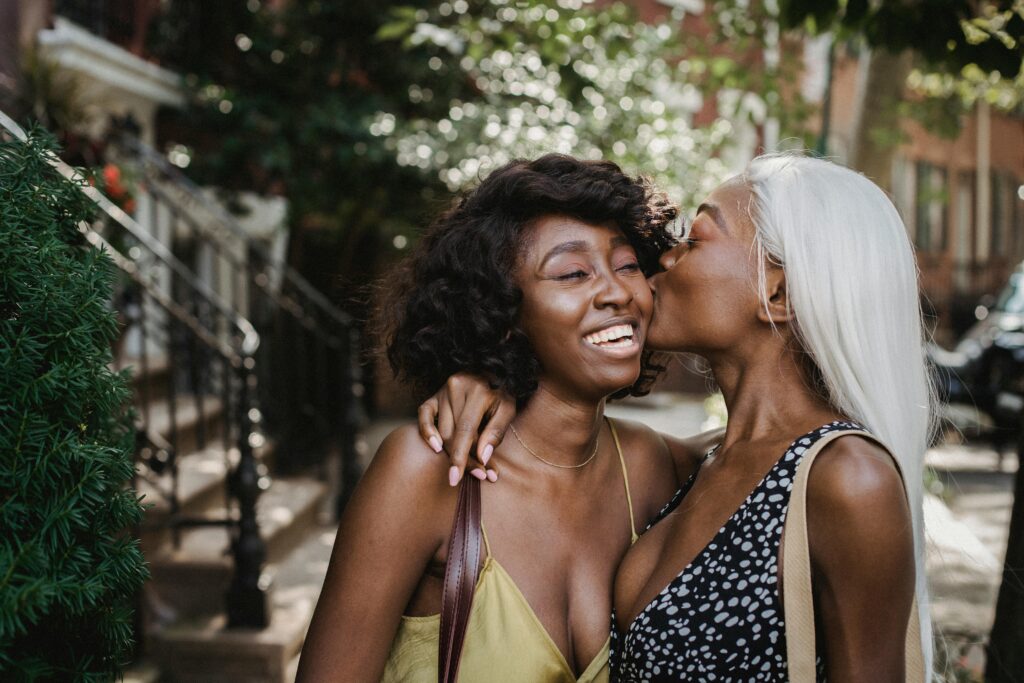
Your first date with a woman as a bi woman can feel like a lot of things at once. Exciting. A little anxiety-inducing. Maybe a tiny voice in your head is wondering if you’re “doing it right.” If that sounds familiar, you’re so far from alone.
Many bi women say their first sapphic dates come with a mix of curiosity, butterflies, and the quiet pressure to somehow get everything perfect. The secret sapphic truth is, there’s no secret script for dating women. You don’t need to know every queer cultural reference or show up with the smoothest flirting skills on earth. You just need a few grounded habits that help you feel safe, communicate clearly, and stay connected to yourself.
It might also help to know this: bisexual people make up the largest share of LGBTQ+ adults, according to Gallup (Gallup). So if you’re stepping into sapphic dating for the first time, you’re in very good company.
Think of this guide less like rules and more like a supportive friend giving you the highlights before a date. These ten practical tips will help you start strong, avoid common awkward moments, and focus on what actually matters: finding connection, having fun, and letting yourself explore at your own pace.
One of the easiest ways to avoid awkward misunderstandings is simply saying what you’re looking for early on.
You don’t need a fully mapped-out relationship plan. Just sharing your general intention helps align expectations before things build momentum.
Examples might look like:
These small statements are sometimes called micro-commitments—tiny early signals that help people understand each other’s expectations and reduce confusion over time (retention.blog).
If you’re bi, it’s okay to say so in whatever way feels natural to you. You don’t need to justify your identity or explain your entire dating history.
Authenticity in dating simply means showing up as your real self rather than hiding parts of your identity to fit expectations.
Some people include their bisexual identity in their profile, while others mention it casually during conversation or on the first date.
Many newly out bi women say that self-acceptance and clear communication are the biggest confidence boosters when dating women for the first time (Them).
Your dating profile is both an introduction and a filter.
Small cues can help people quickly understand who you are and what you’re looking for. These are sometimes called profile signals: visual or textual hints that communicate identity, interests, and intentions.
Helpful signals might include:
These signals help compatible matches recognize you faster.
For first dates, choose environments that feel comfortable and easy to leave if needed.
Good options include:
A safe setting is simply a place where you feel in control and can leave easily if the vibe isn’t right.
It’s also smart to share your location or check-in plan with a friend before meeting someone. Public first meetings and independent transportation are widely recommended safety practices (RAINN dating safety tips).
Boundaries aren’t awkward. They’re a sign of respect for yourself and the other person.
You can share boundaries around:
A simple check-in like: “How are you feeling about this?” can keep communication open and comfortable.
Clear boundaries and consent-focused communication help create relaxed, respectful dating environments (Planned Parenthood).
Instead of planning a long evening together, try shorter, lower-pressure meetups.
These are sometimes called micro-dates: quick hangouts that let you gauge chemistry without a big time commitment.
Examples include:
Micro-dates work well because they reduce pressure while still giving you a real sense of someone’s energy (retention.blog).
Being “out” means different things for different people.
Some women are fully out in every part of their lives, while others are selective about who knows. Early conversations about visibility can prevent misunderstandings.
Questions you might ask include:
Many newly out bi women say that open conversations about visibility make early dating feel less stressful (Pride).
Apps give you filters, safety settings, and clearer intent; IRL offers organic sparks. Premium features can provide more control (e.g., Incognito Mode, advanced filters), but make sure to weigh the cost versus the value. Some subscription tiers in other services run as high as $199/month (SupportYourApp). On HER, you can tailor your profile, express your identity fluidly, and connect within an inclusive community.
| Factor | Apps | In-Person Meetups |
| Safety | Built-in reporting, block/mute, profile controls | Public venue choice, bring-a-friend, exit plan |
| Reach | Wide: connect beyond your neighborhood | Local: deeper community feel |
| Filtering | Clear signals, matching, shared interests | Visual/energy read on the spot |
| Pace | You set the tempo via chat and micro-dates | Often faster vibe checks, but less pre-filtering |
First dates don’t need to feel like job interviews.
Open-ended questions create more natural conversation and help you understand how someone lives their life.
Examples include:
Playful curiosity and genuine compliments can also make flirting feel easier (GO Magazine).
After a date, take a few minutes to check in with yourself.
Reflection helps you notice what worked and what didn’t, so you can adjust going forward.
Some simple prompts:
Treating dating like iterative learning (small adjustments over time) can improve confidence and help you identify compatible partners (A Wealth of Common Sense).
If you’re wondering where to meet women to date, there are more options than you might think.
Dating apps:
Offer wide reach, clear intent setting, and identity filters. Platforms like HER also include community groups and events designed for queer women.
Queer events and meetups:
Film screenings, book clubs, and LGBTQ+ gatherings create low-pressure environments to meet people.
Friends of friends:
Mutual connections often come with built-in trust.
Bars and clubs:
Fun for spontaneous flirting, though sometimes less ideal for deeper conversation.
Interest groups:
Sports leagues, volunteer groups, and hobby clubs can create slow-burn connections based on shared passions.
Not every date will be a love story… and that’s okay.
Thinking of dating as data rather than judgment can help you stay curious instead of discouraged. Each experience teaches you more about what you want, what feels good, and what you’re not interested in.
A simple notes app or journal is enough to track patterns and insights over time. Progress, not perfection, is the goal.
If you feel real curiosity, notice attraction beyond fantasy, or keep daydreaming about going on dates, you’re ready to explore at your own pace.
Try queer-focused apps, local LGBTQ+ events, interest groups, and friends-of-friends; mix methods to match your comfort and energy.
Offer a sincere compliment, hold gentle eye contact, and mirror her energy. Playful curiosity beats canned lines.
Wear what you feel confident in, whether femme, masc, or in-between; comfort is more attractive than any trend.
Set clear boundaries, educate if you have capacity, and prioritize partners and spaces that respect your bisexual identity.
Robyn Exton, Jill O'Sullivan, Mook Phanpinit
Robyn is the CEO & Founder of HER. Find her on Twitter.