Robyn Exton, Jill O'Sullivan, Mook Phanpinit
Robyn is the CEO & Founder of HER. Find her on Twitter.
Select your language


Robyn Exton, Jill O'Sullivan, Mook Phanpinit
Mar 06, 2026
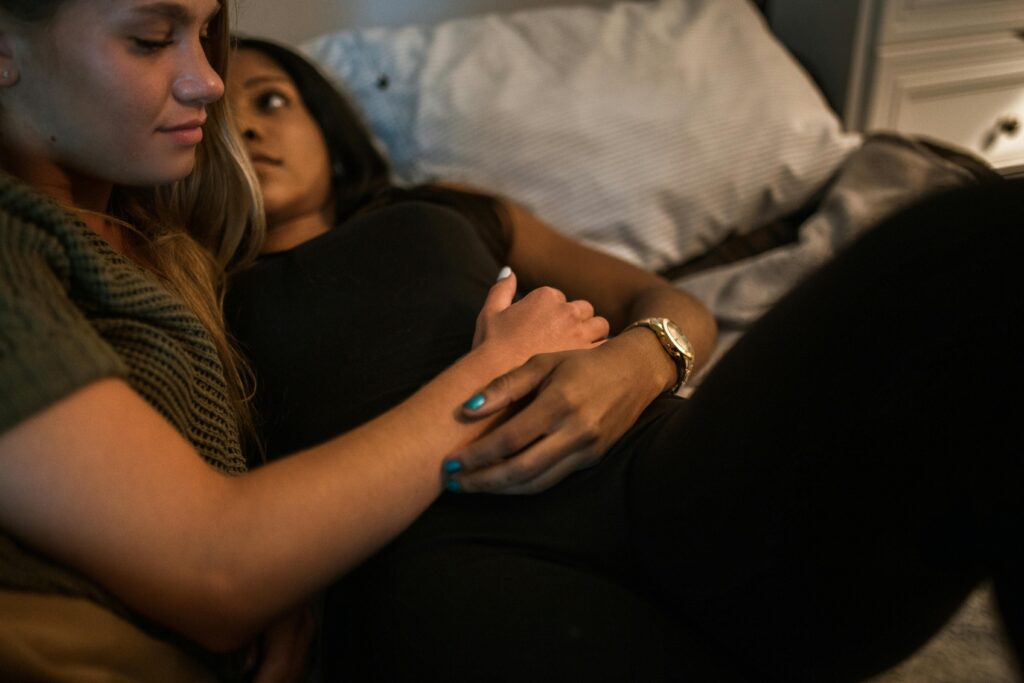
Ever had someone decide your sexuality based on who you’re holding hands with? That’s bisexual erasure: when people ignore, deny, or minimize bisexuality’s existence and validity in real life, including on dates and within relationships. It shows up as “it’s just a phase,” being mislabeled straight or gay based on your partner, or feeling invisible in queer spaces. For a deeper primer, see the HER guide to bi erasure, including everyday examples and fixes.
Bi folks are also the largest part of the LGBTQ+ community, yet they often get sidelined in media and community narratives, which can take a toll on mental health and feelings of belonging (see this DIVA Magazine explainer on bi erasure). Research and clinicians note that bi people experience disproportionate minority stress and anxiety/depression compared to their gay and lesbian peers (see this Thriveworks overview of bi-erasure and mental health).
Below are seven practical, no-drama ways to spot and stop erasure while you’re dating.
On HER, bisexual visibility isn’t an afterthought: it’s baked in. From robust safety tools (like granular privacy controls and anti-predator protections) to identity-rich profiles, bi+ Pride Pins, and groups specifically for bi, pan, and fluid folks, HER centers your whole identity. The app is designed to support authentic, nuanced connections, whether you’re monogamous, open, questioning, or happily unlabeled. It’s also built with safe dating for trans and nonbinary people in mind, with reporting tools, moderation, and inclusive community norms (learn more in our guide to safe dating for trans and nonbinary people). If you’re browsing bisexual dating apps and want community alongside matches, HER’s bi+ community groups, events, and feeds make it easy to find real bisexual community support and signal your identity from the jump (more on how HER nurtures queer third spaces here).
Put your identity where people can see it: your profile, your bio, and the first few chats. Visibility reduces confusion, prevents unwanted “corrections,” and challenges the habit of labeling someone by their partner. Naming yourself isn’t oversharing; it’s care for the future you.
Try simple, direct language that fits you:
A few quick examples you can copy-paste or tweak:
| How you might name it | Example language you can use |
| Bisexual | “I’m bisexual, please use ‘bi’ for me.” |
| Biromantic | “I’m biromantic; my attraction isn’t limited to one gender.” |
| Pansexual | “I’m pan, gender isn’t a gatekeeper to my attraction.” |
| Fluid | “My attraction is fluid over time; I’m comfortable with ‘bi+.’” |
If you want a fuller definition and why clarity matters, see HER’s plain-language breakdown of bi erasure and visibility.
When someone mislabels you, correct it and follow with a clear boundary. Keep it brief, kind, and firm.
Try:
If it happens again:
Consistency protects your self-esteem and reduces the slow-burning harm of invisibility (see this Thriveworks overview of bi-erasure and mental health).
You don’t owe anyone a seminar (and honestly, they’re less likely to listen to one). But a one-liner can shut down a stereotype fast.
Bust bi myths, fast:
Keep it short, move on. If they push, it’s a signal about how you’ll gel with the person and the respect they have (or don’t have) for you.
The “bi = can’t commit” trope is erasure in disguise. It’s also boring, dated, and not true. Replace assumptions with your actual values and agreements.
Try:
Be explicit early about what commitment, sexual health, and communication look like for you. Clear agreements help both partners relax into the relationship rather than perform for a stereotype.
Bi-affirming care means your sexuality isn’t treated as a phase, pathology, or problem to solve. It validates your lived experiences and names non-monosexism (bias against multi-gender attraction) directly. When vetting a therapist or clinic, scan for “bi+,” “LGBTQ+ affirming,” or explicit mention of bisexual clients on websites or intake forms. In a consult, ask:
For clinicians’ perspectives on countering erasure, see APA Division 17’s piece on being seen in practice. And if you’re looking for community care too, you can learn about safe queer spaces on HER’s guide to reimagining third spaces.
Community is armor. Because bi folks often lack dedicated or well-funded networks, actively building a chosen fam matters. Think HER groups, local or virtual bi meetups, queer Discords/WhatsApp chats, and following bi+ creators. Belonging is protective: community buffers anxiety, depression, and isolation tied to minority stress (see this Expansive Therapy guide to bi-erasure and its impacts). On HER, join bi+ group chats, attend events, and share resources. Bi support groups make daily erasure less loud and less stressful.
Ways to plug in fast:
If your relationship reads “straight” to outsiders, set terms together so your identity doesn’t disappear by accident.
Try this three-step framework:
Examples to borrow:
Clear agreements reduce chronic stress, self-doubt, and imposter feelings that come from being rendered invisible (see this Thriveworks overview of bi-erasure and mental health).
Coming out is personal; if you feel safe, sharing can deepen intimacy and affirm your identity. Choose good timing and use “I” statements about what being bi means to you.
If people ignore, dismiss, or relabel your identity, like calling you straight or gay based on your partner, you’re dealing with bi erasure.
Yes. Bisexuality means attraction to more than one gender; it doesn’t require equal attraction, and preferences can shift over time.
Your identity is valid regardless of someone else’s reaction; lean on supportive friends and community spaces, and give everyone time to process. If harm continues, protect your boundaries and well-being.
Robyn Exton, Jill O'Sullivan, Mook Phanpinit
Robyn is the CEO & Founder of HER. Find her on Twitter.