Robyn Exton, Jill O'Sullivan, Mook Phanpinit
Robyn is the CEO & Founder of HER. Find her on Twitter.
Select your language


Robyn Exton, Jill O'Sullivan, Mook Phanpinit
Mar 06, 2026
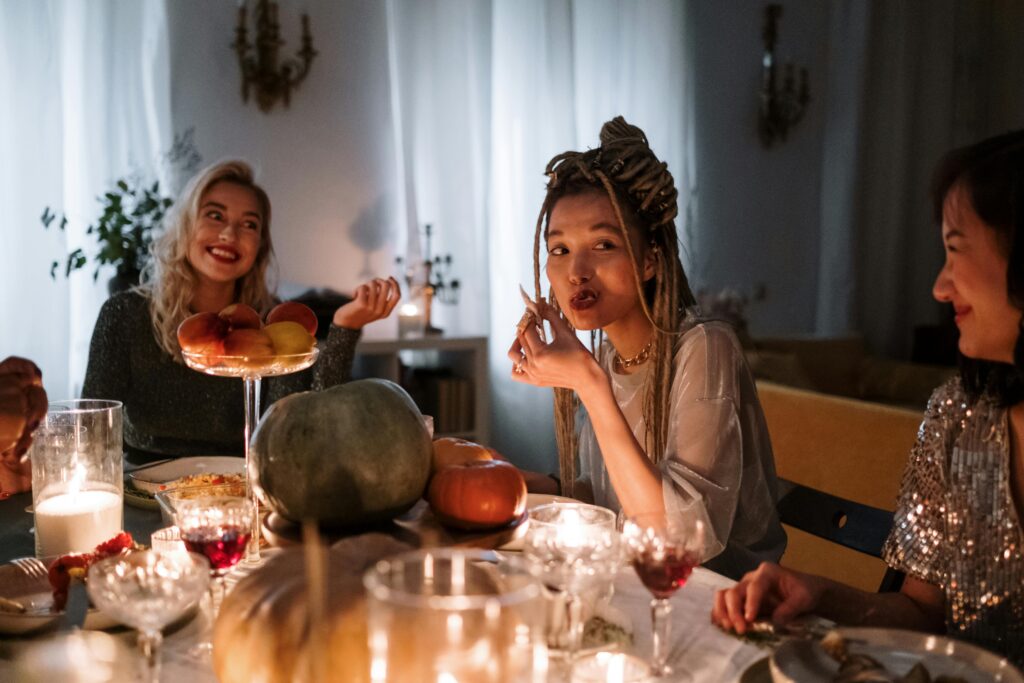
Looking for a community that embraces your bisexuality and treats it like something to be proud of? (Cause it totally is!). We’re here to help.
Finding a bi-positive dating community shouldn’t feel like detective work. If you’re wondering how to find a bi-positive community for dating support, the TLDR is: mix the right apps with the right groups and events, and let safety and vibe lead the way.
Visibility can be tricky, and not every space is built with bi folks in mind, but affirming, drama-free communities do exist. (Hi, hello, it’s us). Whether you want friends, slow-burn romance, or flirty fun, the right platform helps you be seen for your whole self, and not squeezed into a box. Below are seven (okay, seven-plus) proven ways to spot bi-friendly spaces, meet people who get you, and keep things safe and low-stress. There’s even a quick FAQ at the end to cover the basics. We’re thoughtful that way <3
If you’re bi, questioning, or sapphic-leaning and want a connection without the chaos, start with HER. The app is built for lesbian, bisexual, queer, non-binary, and trans folks, and it shows. Think incognito browsing when you need privacy, Pride Pins and customizable identities to express who you are, curated community groups for every niche, and real-world events in major cities. With over 15 million users globally, HER is designed for real connections, and not just random swipes.
HER’s community-first approach with moderated groups, interest-based events, and a slower dating pace bridges the gap from digital to IRL, which experts say can lead to better outcomes than endless swiping alone (see this expert roundup on apps that emphasize relationships and community). Mashable’s expert guide to serious-relationship apps highlights how structure and curation can matter.
A bisexual dating community is simply a space online or IRL where bisexual people and allies meet, date, share experiences, and feel at home. If you’re new to bi-friendly platforms, HER’s own overview of bisexual dating apps is a handy place to start.
Sometimes you want bi to be the default, not an explanation or even worse, an afterthought. And we totally get that. Niche platforms like BiCupid are built for bi, pan, and bi-curious folks, with features like advanced partner filters, search by identity and relationship style, and profile verification to cut down on bots. Their paid tiers unlock more robust search and messaging, which can help you avoid mismatched connections. You can skim current packages on the BiCupid membership page.
Quick comparison (what to expect):
| Platform | Membership reach | Free features | Paid perks | Verification/Groups |
| BiCupid | Niche, global bi/pan community | Profile browsing, limited likes | Advanced filters, more messages, see who liked you | Photo verification; community features vary |
| Bi groups within HER | Global, inside HER’s 15M+ user base | Join bi/pan groups, RSVP to events, limited DMs | Incognito mode, advanced filters, unlimited likes | Verified profiles; moderated groups and events |
Niche communities can be smaller, but the payoff is an affirming core crowd that already speaks your language.
Broader queer apps can be clutch, especially if you’re in a smaller city or just want more to do than chat. Apps like HER and Taimi blend dating with social networking with chats, discussion boards, and city-based events, so you’re not stuck in DM limbo.
Pro tip: search within these apps for “bisexual community groups” or “pan/bi events” to surface micro-communities fast.
Your comfort comes first. Profile verification is a process where users submit specific photos or info to prove they’re real which helps with reducing fake profiles, bots, and scams. Many apps (and reviewers) call out strong verification and moderation as must-haves; see this review of OutPersonals for how photo checks and active moderation work in practice.
Common headaches include bots, non-targeted messages, and users way outside your preferences, which are issue Forbes’ guide to LGBTQ+ dating sites notes crop up across the board. Look for:
If an app doesn’t clearly show how it enforces guidelines, that’s your sign.
Most platforms let you explore for free: use that. Get a feel for the crowd, groups, and events, then consider premium features if you’re vibing. According to Pew Research on online dating, 58% of people who’ve paid for dating apps report positive experiences, versus 50% of non-payers. Paying isn’t magic, but it can unlock better filters and momentum.
Prices vary by region and promos; here are typical ranges and what you get:
| App | Typical monthly | Quarterly | Annual | Notable paid perks |
| HER | ~$15–$30 | ~$35–$60 | ~$90–$150 | Incognito Mode, advanced filters, unlimited likes, travel mode |
| BiCupid | ~from $30 (see current rates) | ~$60–$90 | ~$120–$200 | Advanced search, see who liked you, privacy options |
| WooPlus | ~$15–$25 | ~$40–$60 | ~$90–$120 | Unlimited messaging, “who liked you,” premium filters (see WooPlus app features) |
| Taimi | ~$15–$30 (see Taimi’s in-app tiers) | ~$40–$70 | ~$100–$180 | Identity-driven discovery, live features, travel/stealth modes |
Here’s how we suggest you go with the flow:
Interest tags are keywords or labels you add to your profile or searches to signal what you’re into. It’s great for surfacing the exact bi-positive pockets you want.
Try hashtags like:
On HER or Taimi, head to Groups/Communities and filter by identity or topic, then follow event boards or threads that match your scene. If you want a quick starting point, HER’s bisexual chat and community tips can help you dial in your search.
If you’ve felt “othered” on bigger platforms, niche apps can be a breath of fresh air. WooPlus is a solid example of a body-positive space, with profile reviews to keep the vibe respectful, plus premium perks like unlimited messaging and “who liked you” (see the WooPlus app features for details). Bindr aims for an orientation-flexible, gender-expansive experience; just know some users report tech hiccups and growing pains in early-stage apps, which aligns with notes in Forbes’ LGBTQ+ dating guide.
Bottom line: niche spaces can feel cozier with stronger moderation, but you may see fewer local users. Run them alongside a larger app.
Your best move is a blend: one large, volume-based app plus one niche or identity-first app. Then, take it offline when it’s safe. IRL chemistry beats message tag every time.
Here are some queer focused dates to watch for:
To find local bi-positive spaces:
HER, BiCupid, Taimi, and Bindr are good options. HER also offers community groups and events so you can meet people beyond one-on-one swipes.
Browse events or groups on HER, check your local LGBTQ+ community center, and look up annual observances like Bisexuality Day or Pansexual Visibility Day in your area.
Prioritize profile verification, clear reporting tools, active moderation, and privacy controls like incognito browsing or precise location settings.
Often yes! Premium filters and messaging can improve match quality. But, try the free tier first and only upgrade once the community feels active and safe.
Use interest tags and join identity-based groups in larger apps, and supplement with niche platforms focused on body positivity or specific identities for a cozier crowd.


Robyn Exton, Jill O'Sullivan, Mook Phanpinit
Robyn is the CEO & Founder of HER. Find her on Twitter.