Robyn Exton, Jill O'Sullivan, Mook Phanpinit
Robyn is the CEO & Founder of HER. Find her on Twitter.
Select your language


Robyn Exton, Jill O'Sullivan, Mook Phanpinit
Apr 03, 2026
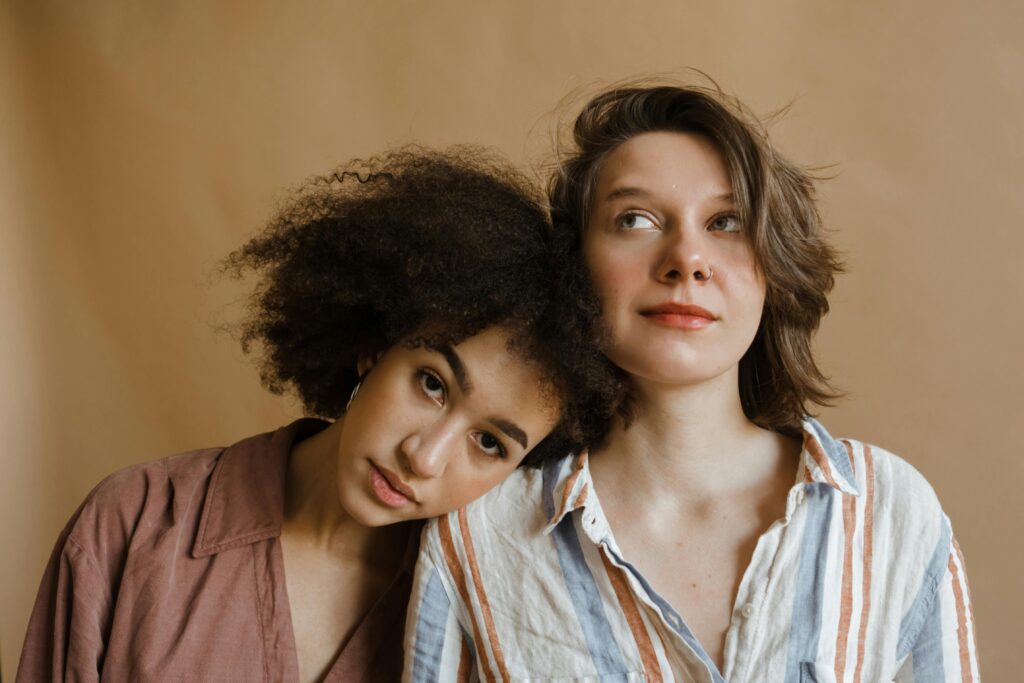
Let’s be honest here for a second. Figuring out when to bring up being asexual on a first date can feel like a whole big, messy thing. You want to be honest, but you also don’t want it to land like a big, dramatic reveal. If you’ve ever sat there thinking, “Okay, but when do I say it though…” Yeah, you’re not alone.
Here’s the reframe: sharing your asexuality isn’t awkward, it’s self-trust. It’s you setting the tone early, making space for something real, and seeing if the other person meets you with curiosity and respect. The right people won’t be thrown off. They’ll lean in.
These seven tips are here to help you bring it up in a way that feels calm, natural, and fully on your own terms.
There’s no perfect script or timestamp here. You don’t need to have it 100% figured out exactly. It’s more about what feels safe and natural to you. Some people share it in their profile, so it’s already out there. Others mention it in pre-date text messages. Some wait until the conversation naturally shifts to relationships, dating goals, or past experiences. And none of those options are right or wrong- they’re just potential paths that you can take.
On a first date, those little openings in conversation matter. When you’re talking about what you want, your values, or how you approach intimacy… That’s the moment you’re looking for. Not a big announcement, just… part of the conversation that goes with the flow.
Think of it less like a confession and more like a compatibility check. Lowkey, it’s the same energy as saying you’re vegan or love being outdoors. It’s just part of who you are that’s worth mentioning and isn’t for debate.
If you want a softer entry point that makes it feel less sprung out of nowhere:
And if you’re on HER, you can share your orientation through your profile or Pride Pins, which makes everything feel way more seamless from the start.
You don’t owe anyone a full TED Talk about your identity. A short, honest sentence is enough: “I’m asexual,” or “I don’t experience sexual attraction.” That’s clear, simple, and dignified.
Asexuality is a sexual orientation where someone experiences little or no sexual attraction, though they might still desire emotional or romantic connection. It exists on a wide spectrum. Some people are aromantic (aka, don’t experience romantic attraction), while others want deep romance just without the sexual activity.
Keep your tone calm and confident, and remind yourself that explanations are optional. If you’re asked thoughtful questions, answer only what feels comfortable.
Disclosure becomes smoother when you also express what you do want from dating. It keeps the focus on connection, not limitation.
Here’s a simple framework to make it easier to name your goals:
| What I seek | How to phrase it |
| Romance, no sex | “I love romance, but I’m not into sex.” |
| Slow progression | “I like relationships that build gradually.” |
| Friendship or QPR | “I’m open to strong friendships as much as romance.” |
By naming your preferences clearly, you reduce the risk of mismatched expectations and only move forward with someone aligned with your pace and comfort level. Apps like HER help by centering open‑ended prompts that let you speak to your rhythm and what you’re looking for.
Knowing and sharing your personal boundaries is essential to feeling safe and seen. Some asexual people enjoy kissing or cuddling, for example, and others don’t. The key is clarity about what’s right for you.
You might say something like:
Creating this clarity early makes the date more relaxed. Your partner isn’t left guessing, and you won’t feel pressured to overextend. Your boundaries are valid, even if someone else doesn’t share them.
If your date isn’t familiar with asexuality, a short explanation is more than enough. If they’re curious, you can point them toward something like AVEN and leave it there.
“I can send you a link later if you want to read more” is a very underrated line.
This keeps things light while still being open. You don’t have to carry the full weight of educating someone in real time.
People’s responses to your disclosure will say a lot about whether they’re someone worth continuing with.
Respectful reactions often include:
Disrespectful ones might sound like:
If someone reacts poorly, take that as clarity about compatibility. It’s not a reflection of your worth. It just means it’s a giant flashing warning light that this person is NOT the one.
After you share, check in with yourself. Not just how they reacted, but how you feel.
If the vibe is warm, open, and respectful? Great! You should keep getting to know each other and figure things out as you go.
If something feels uncomfortable or pressured? Hard pass. You’re allowed to leave (not that you need our permission, but we’re giving it to you just in case you need it). You’re allowed to not explain further. You’re allowed to choose yourself. And we love that for you.
And if you want to skip a lot of this guesswork, spaces like HER exist for a reason, where people already understand and respect different identities from the jump.
Early. Whether it’s on your profile, in pre‑date chats, or naturally when you talk about boundaries or goals. HER’s profile options let you show this upfront if you prefer.
Keep it short and natural, like “I’m asexual,” and expand only if your date wants to know more.
End the conversation or leave. It means you’re not compatible, and that’s okay. Protect your peace.
Absolutely. Many asexual people thrive in loving, emotional, or affectionate partnerships that don’t centre on sex.
Try relaxed activities like coffee dates, bookstore browsing, nature walks, or film nights. Spaces that are for easy conversation and comfort. You’ll find plenty of ideas in HER’s local event listings, too.
Dating while asexual isn’t about holding something back or hiding who you are. It’s about showing up fully, just in a way that feels right for you. When you lead with honesty, boundaries, and your own pace, you’re not making things harder. You’re making space for something that actually fits.
And the right person? They won’t be confused by that. They’ll meet you there.


Robyn Exton, Jill O'Sullivan, Mook Phanpinit
Robyn is the CEO & Founder of HER. Find her on Twitter.