Robyn Exton, Jill O'Sullivan, Mook Phanpinit
Robyn is the CEO & Founder of HER. Find her on Twitter.
Select your language


Robyn Exton, Jill O'Sullivan, Mook Phanpinit
Mar 06, 2026

If you’ve only dated men and you’re eyeing your first date with a woman, you’re not late: you’re right on time. The shift can feel huge. There are new norms, new signals, and a whole lot of butterflies.
Here’s the headline answer: slow down and get curious. Do a little inner work, learn queer dating etiquette, name your needs, and practice clear consent. Then move at your pace, whatever that is for you. Apps and community spaces are great on-ramps. This guide keeps it real, sapphic, and shame-free so your bisexual dating journey feels grounded, kind, and actually fun.
Before swiping or saying yes, date yourself a little. Solitude, journaling, or therapy help you surface values, clarify desires, and notice your attachment style (your typical patterns for bonding and handling closeness or distance). Strong basics make first dates calmer and way less confusing. For structure, try the “date yourself first” approach that stresses reflection to discover what you truly want and how you connect date-yourself guidance.
Make it concrete. Write a tiny list (or table) of values, non‑negotiables, and deal breakers so boundaries don’t get fuzzy mid‑chemistry.
| What matters to me | My non‑negotiables | My deal breakers |
| Humor, curiosity, kindness | Clear consent, similar politics | Cruelty, secrecy, substance misuse |
If shame or confusion about queerness is buzzing in the background, name it. Many women appreciate honesty like “I’m exploring, and I’m in therapy. Just taking it slow,” a vibe echoed by women who started dating women later in life and found openness well‑received later‑in‑life dating reflections.
Queer dating etiquette is about respect, not rules. Start with pronouns: ask (“What pronouns do you use?”) and use them consistently. It’s a tiny habit that signals safety, especially with trans partners, and is called out as essential in respectful dating guides for cis folks learning the ropes pronoun‑first guidance.
Also, “woman” is experienced in many ways, including by trans women; some nonbinary people date women, too. Don’t assume genitals, sexual roles, or a “who does what” script. Ask and wait for consent and preferences, a core principle in LGBTQ+ inclusion resources inclusive dating basics.
Vulnerable communication means sharing your real feelings, yes, even the awkward ones, so you can be understood, not to perform. Practice before the date: “What do I hope for tonight?” “What pace feels good?” On the date, say the quiet parts out loud: “I’m excited and a little nervous.” That honesty often lands well. Lots of folks new to dating women start on apps because it’s less intense and they can move slowly community experiences of starting slow.
If you want a structure, try Conscious Relationship Design tools like “50 Questions” or an empathy canvas to surface needs, fears, and boundaries before they trip you up CRD tools for clearer conversations.
Quick communication tips
Consent is an enthusiastic, informed, and ongoing agreement for anything from topics to touch. It’s not a one‑time checkbox; it’s a conversation you keep updating.
First‑date phrases that work
Before physical intimacy, ask about preferences and anatomical boundaries. Everyone can say no at any time, no justifications required. Normalizing consent check‑ins builds trust and keeps queer dating safety front and center.
Emotional labor is the mental and emotional work of tending to feelings and logistics in a relationship. In many WLW dynamics, this labor is talked about and shared more deliberately than in mixed‑sex setups. Some advice columns even note that “lesbian partners often share mental labor more equally than mixed‑sex couples,” and that emotional expression is welcomed rather than policed emotional labor in women-women dynamics.
What’s different? (A quick snapshot)
| Topic | Common vibe in women-women dating |
| Planning dates | Often collaborative: “What sounds fun for both of us?” |
| Sharing feelings | Direct check‑ins and reflective listening are normal, even on early dates |
| Sex pacing | Tends to be negotiated explicitly; no default roles |
| Practical care | Cycle talk, heating pads, and soup drops? Totally normal |
| Conflict | Repair conversations prioritized over “winning” |
Tears, deep talks, and voice notes with feelings are not “too much”. They’re often part of the connection.
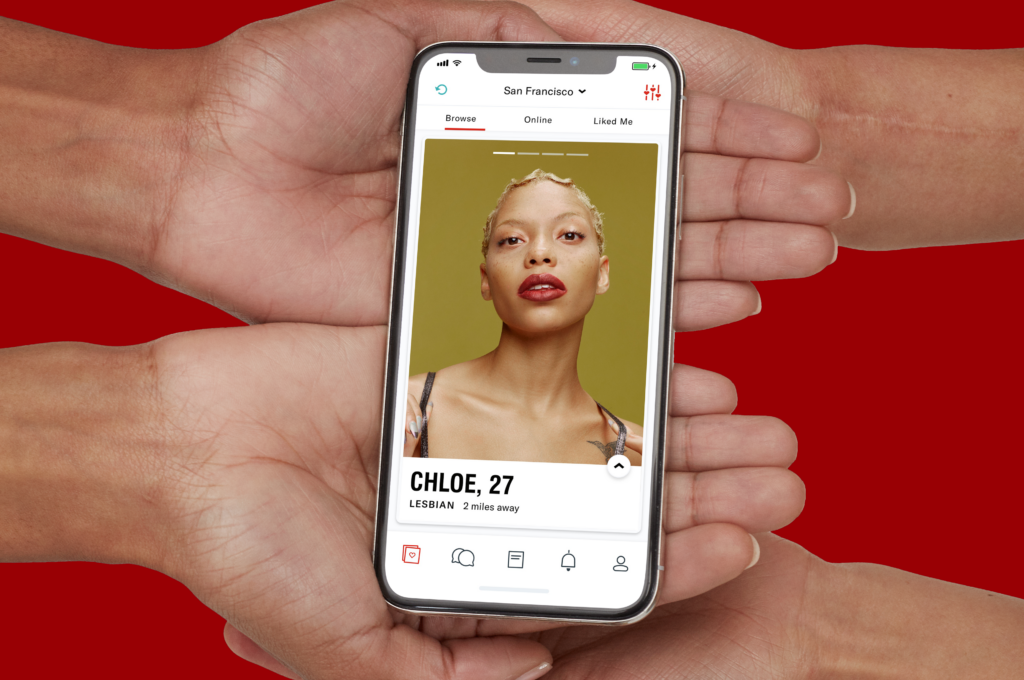
Sapphic dating apps like HER are friendly places to start with low pressure and high signal. You can set your pace with customizable profiles, Pride Pins, and community groups that flex with your identity and comfort level HER’s guide to bisexual dating apps. Just remember: endless swiping can stall real connection.
Move from chat to date in four steps
Also tap queer community spaces like book clubs, sports leagues, and craft nights. They’re great for “slow dating,” building a friend web, and letting attraction unfold off-app.
Dating women can ripple through your life, tbh. Friends ask questions, family has feelings, strangers stare. Prep helps. Learn queer history and current issues (Stonewall, Marsha P. Johnson, trans healthcare access) so you’re a respectful, informed partner. Many trans-aware dating guides emphasize doing this homework alongside getting pronouns right.
Chosen family often sits at the heart of queer life, and their approval can mean a lot. When you meet them, bring the same respect and curiosity you offer your date.
Scripts for sticky moments
If you’re coming out later or questioning, gentle resources can help you move at your pace coming‑out while partnered.
New to queer dating? Here are a few detours to skip:
Top mistakes to avoid
Focus on listening to your date and being present in the moment. That lowers anxiety and helps genuine connection flow, even if you’re brand new to dating women.
Dating women often involves more open emotional sharing and less reliance on traditional gender roles, which can make relationships feel more equal and communicative.
Be open about your curiosity and listen actively; showing genuine interest in her stories and boundaries is way more attractive than trying to appear ‘experienced.’
If it doesn’t click, remember that attraction is complex and not a personal failure. Allow yourself to feel disappointed, but move forward with self-compassion and keep exploring.
Make sure you’ve had time to reflect and take care of yourself; when you feel genuinely curious and excited to meet new people (not just filling a void), you’re ready to start dating again.
Robyn Exton, Jill O'Sullivan, Mook Phanpinit
Robyn is the CEO & Founder of HER. Find her on Twitter.