Robyn Exton, Mook Phanpinit, Jessica Serviat, Jill O'Sullivan
Robyn is the CEO & Founder of HER. Find her on Twitter.
Select your language


Robyn Exton, Mook Phanpinit, Jessica Serviat, Jill O'Sullivan
Mar 06, 2026
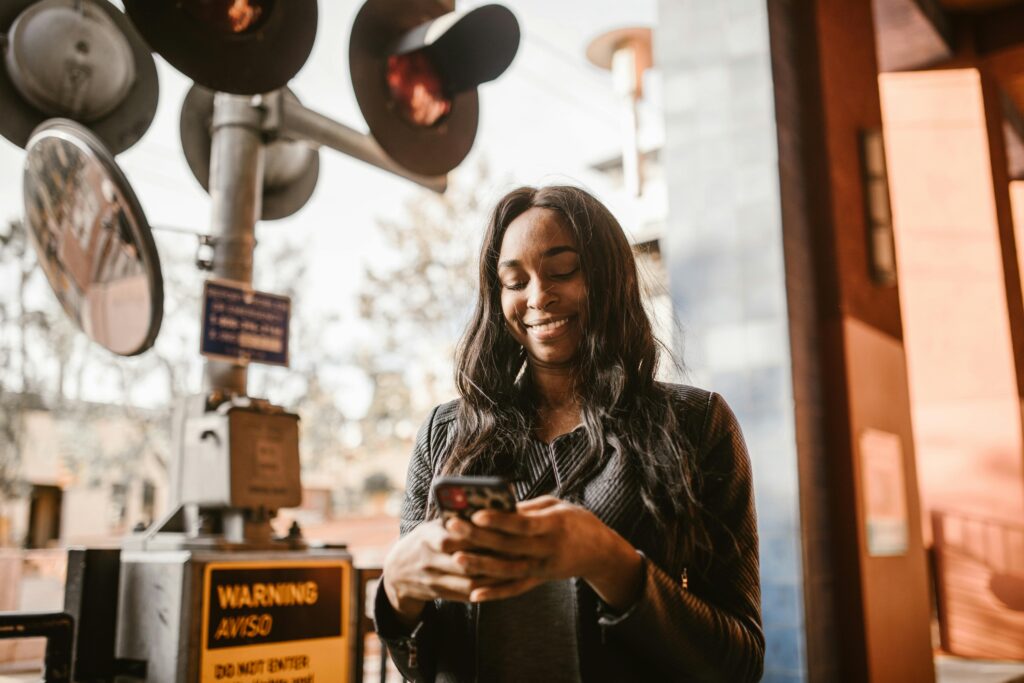
A lesbian long-distance relationship can thrive when both partners communicate consistently, set clear expectations, plan quality time and visits, maintain intimacy, and build fulfilling lives both together and apart. Distance creates real challenges, but shared routines and honest conversations can help you stay connected across cities, states, countries, or time zones.
A lesbian long-distance relationship is a romantic relationship between women who live far enough apart that regular in-person time requires planning, travel, or extended periods apart.
The goal isn’t just to “survive” the miles. It’s to create a relationship that still feels safe, playful, and real while you’re apart.
Start with predictable connection, honest communication, and rituals you both look forward to. These 12 practical tips can help you create consistency while keeping your relationship fun, intimate, and grounded.
This guide is for lesbian, bisexual, queer, and sapphic people navigating a romantic relationship across geographic distance, whether you live a few hours apart or in different countries.
1. Schedule regular check-ins that feel like mini dates.
2. Set clear boundaries and expectations together.
3. Learn how each of you prefers to receive affection.
4. Use a shared calendar for visits and important dates.
5. Send meaningful physical reminders of each other.
6. Plan activities you can enjoy together remotely.
7. Use letters and written notes for extra closeness.
8. Maintain friendships, hobbies, and routines outside the relationship.
9. Plan reunions and future milestones together.
10. Pay attention to long-distance relationship red flags.
11. Talk openly about romantic and sexual intimacy.
12. Reach out for community or professional support when needed.
Regular check-ins can create consistency without requiring you to be in constant contact. Decide together what communication rhythm feels supportive rather than assuming you should text or call all day.
Pick regular windows for voice or video calls, and treat them like actual dates. Light a candle. Wear something she likes. Romanticize it.
Mix in small daily touches, too. A “good morning” text, voice note, or random photo update can become a small ritual that helps you feel present in each other’s everyday lives.
A predictable rhythm can make connection feel more reliable, while mixing up how you communicate can keep it from feeling repetitive.
Long-distance relationships leave more room for assumptions, so talk explicitly about communication frequency, exclusivity or monogamy, privacy, flirting, and social media. Revisit those expectations as your relationship changes.
Dan Savage also emphasizes agreeing on relationship rules in his long-distance relationship advice.
Boundaries are limits and expectations you communicate around your time, privacy, communication, intimacy, and comfort.
Talk about what actually makes each of you feel cared for. One person might value frequent reassurance, while another prefers planned quality time, thoughtful gifts, practical help, or physical affection during visits.
Relationship coach Jenna Way’s long-distance relationship advice also recommends adapting how you connect to what feels meaningful to each partner.
A shared calendar can make visits, virtual dates, and important milestones easier to plan across busy schedules or time zones. Add the next visit, big life events, and even recurring “date nights,” then factor in time zones and work cycles so you don’t miss each other.
Use Google Calendar, Apple Calendar, or a shared Notion page, whatever you’ll both actually remember to check. Countdown widgets help, too. Planning ahead can make visits and important dates easier to coordinate, especially across busy schedules or time zones.
Physical reminders can add a tangible sense of closeness when you can’t be together in person.
Send each other comfort boxes filled with scent-linked or sentimental items:
These physical reminders can feel especially personal in a relationship where so much connection happens digitally.
Make new boxes for anniversaries, stressful weeks, or just because. In an increasingly digital relationship, getting something physical in the mail can feel especially personal.
Talking matters, but shared activities give you new things to experience together. Plan virtual dates around activities you both enjoy.
Here are some ideas for long-distance date nights:
| Mood | Ideas to Try Together |
| Chill | Watch a show in sync with live commentary; co-read a novella and chat after |
| Silly | Play online games (think Words With Friends); do a meme swap or TikTok duet |
| Spicy | Cooking together fits “romantic” much better, and the current row isn’t actually particularly spicy. |
| Cozy | Make vision boards for your next visit; build a shared playlist and listen on a call |
Relationship coach Jenna Way also recommends intentional virtual time as a way to make long-distance connection about more than routine check-ins.
Texts disappear. Letters linger.
Handwritten notes feel intimate in a way digital messages don’t. They give you something to physically hold on lonely nights. It lets us all have that moody, candlelit, rainy yearning moment that we’ve all secretly wanted (or is that just me?).
Once Upon A Journey’s guide suggests keeping small, flat mail affordable for international couples. Think postcards, tiny books, lightweight keepsakes, art, or stickers.
It’s old-school romantic, and it gives your partner something physical to keep.
A long-distance relationship shouldn’t require either of you to abandon friendships, hobbies, or your local community. Your mood, energy, and sense of independence matter, too.
Autostraddle’s lesbian long-distance relationship guide also emphasizes maintaining a life outside the relationship. If you notice you’re neglecting yourself, reconnect with your people and routines, then return to the relationship with more space and perspective.
It’s easy to get wrapped up in a new relationship, but maintaining your own routines and connections can help the relationship stay balanced.
Name what you’re building together.
Next visit. Holidays. Maybe future moves. Keep it hopeful but low-pressure: serious doesn’t have to mean rushed.
And if things moved fast at the beginning? You don’t have to follow the classic U-Haul stereotype. You get to create your own timeline. The U-Haul stereotype jokes about sapphic relationships moving quickly, but you get to create your own timeline. Serious doesn’t have to mean rushed.
Distance can make someone seem perfect, especially when much of the relationship happens through messages or planned calls. Pay attention to patterns, not just chemistry.
Fantasy feels good, but honesty feels safe.
Remote intimacy includes the affectionate, romantic, or sexual ways you stay connected while you’re physically apart.
That might include flirty texts, voice notes, video dates, slow-burn conversations, or surprise gifts.
Discuss comfort levels and consent clearly. Keep things playful and adaptable. Desires can change over time, even when you’re far apart.
For grounded suggestions, see Delia Curtis’s LDR advice.
You don’t have to navigate this alone.
Lean on sapphic friends, queer community spaces, peer-support groups, or LGBTQ+-affirming therapists if challenges feel bigger than you can manage together.
Shared books, podcasts, or workshops can also become bonding rituals. Growth doesn’t have to be heavy.
Agree on a communication rhythm that works for both of you and talk openly about needs, boundaries, and expectations. Mix text, voice, and video in ways that feel sustainable rather than trying to stay connected constantly.
Maintain intimacy through planned virtual dates, affectionate messages, voice notes, shared rituals, and honest conversations about desire and consent.
Talk about jealousy or uncertainty before it turns into monitoring or control. Agree on boundaries, ask for reassurance when you need it, and pay attention to whether both partners follow through consistently.
Use a shared calendar to plan visits and milestones, then talk honestly about longer-term hopes without forcing a fixed timeline.
Keep investing in friendships, hobbies, work, rest, and your local community while staying connected to your partner. A full life outside the relationship can reduce pressure on both of you.
There is no ideal visit frequency for every couple. Plan visits as often as your schedules, finances, travel distance, and energy realistically allow, and try to know when you’ll see each other next whenever possible.
Warning signs include repeated broken plans, avoidance of future visits, controlling jealousy, unresolved boundary conflicts, one-sided effort, or communication that consistently leaves one partner feeling unsafe or dismissed.
There is no required number of texts or calls. The right amount is a communication rhythm that feels sustainable and reassuring to both partners without requiring constant availability.
Further reading on lesbian long-distance relationships




Robyn Exton, Mook Phanpinit, Jessica Serviat, Jill O'Sullivan
Robyn is the CEO & Founder of HER. Find her on Twitter.