Robyn Exton, Mook Phanpinit, Jill O'Sullivan
Robyn is the CEO & Founder of HER. Find her on Twitter.
Select your language


Robyn Exton, Mook Phanpinit, Jill O'Sullivan
Feb 27, 2026
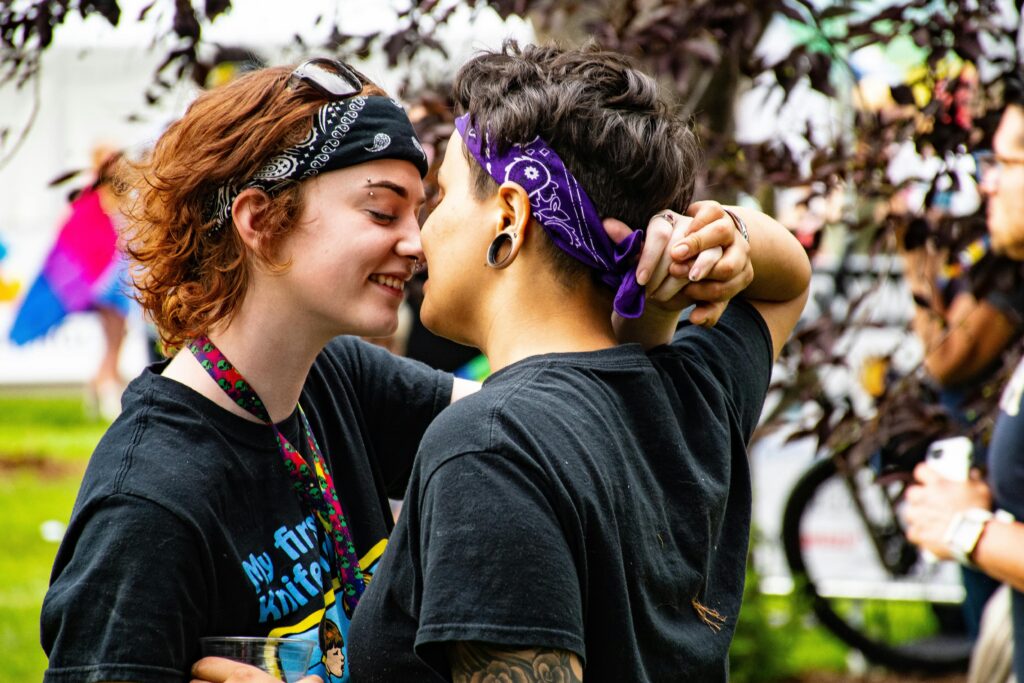
Dating while bi can sometimes feel like running the same emotional marathon on repeat. You’ve got a new person, new context, new round of “so… what does bisexual mean to you?”
Quick answer: bisexual people are attracted to more than one gender, and that attraction isn’t limited by the binary or stereotypes.
If you want bi relationship advice that actually helps, it starts with clarity, compassion, and community. These tips cover the conversations that matter most: naming your identity, setting boundaries, navigating visibility, and keeping your bi self alive throughout every season of dating. You’ll find bite-size scripts, quick tables, and resources so you can lead with honesty and feel confident from first chat to long-term love.
HER is the only major sapphic-first dating app made for bi, lesbian, queer, trans, and nonbinary people. Think safety, visibility, and community at the center. Sapphic simply means attraction to women or woman-aligned people. Bisexual means attraction to more than one gender. On HER, you can customize your identity and pronouns, set clear preferences, and meet people who understand fluidity without making it a debate.
Whether you’re a Connector seeking deep, defined relationships or an Explorer who’s curious and open, HER normalizes honest, values-first dating for Gen Z and beyond. Get grounded in bi context with our guides on bisexual visibility and bi dating culture, including bisexual visibility and real-world bi dating app experiences. If you’re new to labels or want a refresher, here’s a clear explainer on what bisexual means.
Say you’re bi early, and explain what it means to you. This prevents confusion and saves you from repeating yourself later. Bi-erasure (when bisexuality is dismissed or ignored) is common, especially when partner gender changes or your context shifts. Many bi folks describe the grind of “coming out all over again” in every new relationship and space (see bi erasure and Kate Harrad on ‘coming out’ again and again).
Quick scripts:
Saying it upfront shuts down myths like “bi = nonmonogamous” and sets the tone for respect.
Great relationships don’t guess: they agree. Talk openly about exclusivity, emotional fidelity, sexual boundaries, and any nonmonogamy before assumptions take root. Bisexuality and polyamory are different things. Being bi doesn’t automatically mean multiple partners. See separating bisexuality from polyamory for a straight-talk explainer.
Use this starter checklist together:
| Topic | What to clarify |
| Exclusivity | Are we monogamous? If not, what structure (open, poly, don’t know yet)? |
| Cheating | What counts as a boundary crossing (DMs, flirting, dating apps, emotional intimacy)? |
| Safer sex | Testing cadence, barrier use, disclosure norms with other partners (if any). |
| Labels & pacing | What we’re calling this, timeline for check-ins, when we revisit agreements. |
Helpful scripts:
If certain topics, tones, or touches bring up old hurt, it matters here. Triggers are emotional or physical reminders that reactivate past trauma. Research shows bisexual people face higher rates of partner violence and stigma than straight and gay peers (public health review on bisexual wellbeing).
Try this flow:
Sharing triggers isn’t oversharing; it builds trust and keeps you safe.
A bi-competent therapist gets the unique friction points like microaggressions, repeated coming out, identity invalidation, and treats bisexuality as valid, not “transitional.” Therapy can help decode mixed messages and strengthen your relationship.
Vet a provider:
To find affirming care, use the Inclusive Therapists directory and check out relationship challenges of bisexual people.
Isolation is real when your circle is mostly straight or gay. Many bi folks report lacking bi friends and role models, making dating advice feel off-key (why bisexuality visibility matters).
Where to look:
Peer spaces normalize your experiences and give practical tips without asking you to shrink.
Biphobia can look like prejudice, fetishization, or jokes that erase bi people. Common microaggressions include asking a bi woman “how straightness feels now” or assuming she’s angling for threesomes (first-person story of bi erasure).
Quick responses:
To friends: “If you’re curious, ask respectfully in private and not as a punchline.”
Public visibility is how you and your partner show up in real life, online, and in the community. Mixed-orientation couples often navigate assumptions based on partner gender. Some bi folks feel out of place at LGBTQ+ events when their relationship isn’t read as “queer enough” (stories of mixed-orientation couples).
Talk it through:
Visibility options:
| Option | How it looks |
| Language | “This is my girlfriend/partner; I’m bi.” |
| Symbols | Pride pins, phone backgrounds, tiny flag in your bio. |
| Corrections | “We’re a straight-presenting couple, but I’m bisexual.” |
| Community | Attend at least one bi-centered event together each quarter. |
Make safer sex a team habit: regular STI testing, barrier methods, and disclosure before intimacy without shame. Enthusiastic consent means yeses that continue throughout, and anyone can change their mind anytime (Thrillist’s bisexual dating rules).
Conversation starters:
Sometimes partners worry that attraction to multiple genders means they’ll never be “enough,” or they project myths (like expecting threesomes). Name it, don’t shame it.
Try:
Your bisexuality doesn’t pause because you’re monogamous or your partner’s gender changes. Keep it present in ways that feel good:
This isn’t performative. It’s maintenance for your sense of self, and it helps loved ones understand you better.
Treat it like any core value: share it simply and positively, then invite questions. Clarity builds trust and filters in people who respect you.
Define what monogamy means to each of you, write down agreements, and schedule regular check-ins to adjust together.
Validate their feelings, offer reassurance rooted in your agreements, and set up small trust rituals like weekly talks or shared calendars.
Bi-competent therapists understand erasure, repeated coming out, and stigma, which helps you solve the real problems, not your identity.
Engage with bi media and community, wear small symbols if you want, and remind yourself (and your partner) your identity is valid regardless of partner gender.
32 Women Discuss the Joys, Pitfalls, and Realities of Being Bisexual in Long-Term Relationships.
Five valuable bisexual dating tips to keep in mind.
Improving the Health of Bisexual People: Toward a Bi-Inclusive Public Health.
Bisexual Dating Rules Everyone Should Know.
The Romantic Relationship Challenges of Bisexual Men and Women.


Robyn Exton, Mook Phanpinit, Jill O'Sullivan
Robyn is the CEO & Founder of HER. Find her on Twitter.