Robyn Exton, Mook Phanpinit, Jill O'Sullivan
Robyn is the CEO & Founder of HER. Find her on Twitter.
Select your language


Robyn Exton, Mook Phanpinit, Jill O'Sullivan
Mar 13, 2026
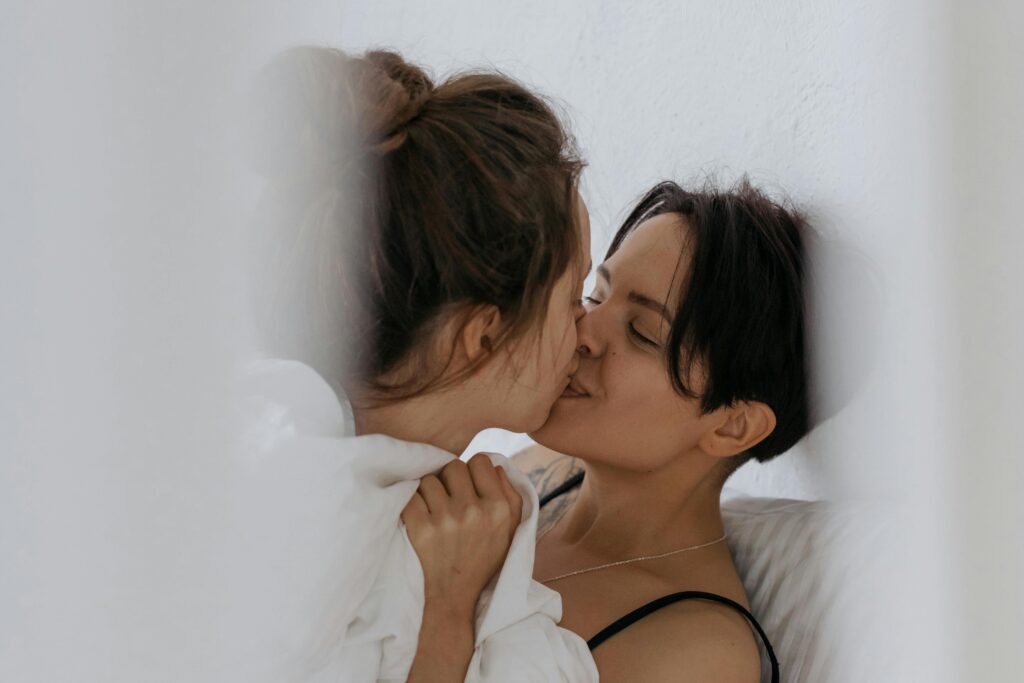
Dating women as a bisexual woman can feel thrilling, tender, and sometimes a little complicated. You might be excited about exploring sapphic connections while also navigating visibility, stereotypes, or spaces that are new to you.
That mix of emotions is common. Many bi women move between different dating cultures, and queer spaces can come with their own unspoken norms and expectations. The good news is that a few intentional habits can make dating feel clearer, safer, and a lot more affirming.
This guide brings together practical bisexual dating tips for women so you can show up with confidence and authenticity. You’ll find concrete ways to choose queer dating apps that actually support you, handle red flags like unicorn hunting, and set boundaries that protect your energy.
Whether you’re looking for a slow burn romance, a new queer community, or a situationship with clearly defined terms, the throughline stays the same: your identity is valid, your pace is yours, and you deserve partners who meet you with respect.
Clarity saves time and protects your energy. Being upfront about your intentions helps reduce mismatched expectations and discourages fetishizing messages.
Media coverage of bisexual users notes that many dating apps now support clearer identity labels and preferences, making it easier to filter out unwanted outreach and confusion (see this Yahoo Life overview of app inclusivity for bi folks).
Short, direct bios can make a big difference. For example:
• “Bi woman dating women. Looking for a slow burn connection. Bookstores and park picnics are my love language.”
• “Open to casual but caring. Women and nonbinary folks only. Good at boundaries, better at brunch.”
• “Dating women right now. Not here for couples. Coffee dates over DMs.”
Platforms that allow longer profiles can also help you explain goals and dealbreakers more clearly, which improves compatibility and reduces noise for bisexual users navigating stereotypes (as noted in DatingAdvice’s guide to apps for bi women).
One of the easiest ways to find affirming connections is to start in spaces designed for queer communities.
A queer focused dating app is a platform created specifically for lesbian, bisexual, queer, nonbinary, and trans people. These apps prioritize identity expression, safety tools, and community features rather than heteronormative defaults.
HER is a good example. The app centers sapphic culture and includes profile tools like Bisexual Pride Pins, filters that help you find other bi users, in-app community groups, and event listings that move conversations into real life.
These features help normalize bisexual identity and make it easier to connect with people who understand pronouns, fluidity, and the emotional honesty many queer women value (see HER’s guide to the best bisexual dating apps for women).
Safe bisexual dating starts with choosing the right platform.
Look for sapphic apps that include:
• Photo or ID verification options
• Strong reporting and moderation tools
• Clear community guidelines and safety education
App verification helps confirm that profiles belong to real people using photos, IDs, or linked social accounts. This reduces catfishing and fake accounts.
HER, for example, offers identity verification tools and privacy focused features like Incognito Mode, which allows you to browse profiles without appearing in search results (see HER’s feature set).
These features give you more control over how visible you are while exploring new connections.
Mainstream apps like Tinder, Hinge, or Bumble can expand your dating pool, but they can also come with tradeoffs.
Bisexual women on these platforms often encounter couples looking for a third, vague intentions, or fetishizing messages. Community reviewers frequently mention these dynamics, especially in swipe heavy environments (see AfterEllen’s guide to the best and worst dating apps).
If you’re using mainstream apps, a few strategies can help:
• Use filters and orientation fields when available
• Write “dating women only” or similar boundaries in your profile
• Keep conversations on the app until you feel comfortable
• Screen profiles carefully before matching
Some mainstream apps now allow users to list sexual orientation and pronouns, which improves visibility, but queer users may still need to do more filtering (see this overview of app orientation features).
Protecting your time and emotional energy starts with recognizing red flags quickly.
Common warning signs for bi women include:
How to respond:
If you feel unsafe, use in-app reporting and blocking. Strong community moderation exists to back you up (as many platform roundups and user reports highlight).
Boundaries aren’t awkward. They actually make dating easier.
Sharing a few basics early can prevent misunderstandings later. That might include:
• Who you’re interested in dating
• Your pace for physical or emotional intimacy
• Communication preferences
• Safer sex expectations
You can also casually acknowledge past relationships across genders if it feels relevant. Being open about your history helps normalize bisexual identity in dating.
Name and reject outdated “gold-star” ideas. A gold-star lesbian is a term sometimes used to shame women who’ve dated men.
It’s reductive and invalidating, and come on. It’s 2026. Sapphics deserve better. Your experiences don’t make you more or less “queer enough.” Healthy early communication reduces misunderstandings, affirms your identity, and helps the right people find you.
Swipe culture can make dating feel shallow. Profiles that include prompts or questionnaires give you a chance to show more depth.
For example, platforms like OkCupid use detailed prompts and compatibility questions to help people connect around shared values (as noted in Nonchalant’s roundup of bi-friendly dating apps).
Prompt ideas that reveal personality might include:
• “Perfect Sunday: farmers market, queer bookstore, homemade pasta.”
• “Favorite queer icon: Audre Lorde, because self-definition is survival.”
• “Green flag I bring: direct communication and therapy level listening.”
Details like these attract people who want meaningful connections, rather than just vibes.
Community is the antidote to app fatigue. Use HER’s event listings and groups built for LGBTQIA+ women and non-binary folks to meet IRL in safer, curated spaces (see HER’s bisexual dating apps guide for feature highlights). Friendship circles, board game nights, film clubs, sober hangs, these scenes all build trust and make dating feel less high-stakes.
You control your visibility. If you’re not out everywhere, or just want less noise, lean on privacy features.
Incognito Mode is a feature that lets you browse others’ profiles without appearing in search results, helping safeguard your privacy and reduce unwanted contact. Tips for safer sharing:
HER supports privacy-forward discovery (including incognito options), which is especially helpful for safe bisexual dating when visibility varies across your life.
Dating works best when you’re emotionally resourced. If the apps start feeling draining, it’s okay to take a break.
Stepping away can help you reset expectations and reconnect with what you actually want.
Some quick reset ideas include:
• Snooze dating apps for a week
• Journal about your non negotiables
• Update your profile to reflect new boundaries
• Spend time in offline queer spaces
Community spaces like bookstores, film festivals, or volunteer events can help refill your connection energy without the pressure of dating. (Or, not to toot our own horn, the community on HER).
Address biphobia by affirming your bisexuality openly and seeking bi-inclusive queer spaces; set clear boundaries and disengage from invalidating conversations.
Share it casually in your profile or first chats using language you like; early openness attracts partners who respect your full identity.
Queer-focused apps like HER offer inclusive tools, bisexual filters, and active communities that make sapphic connections feel safer and more authentic.
Join bi-friendly groups, practice small, low-pressure meetups, and remember: your history doesn’t make you less queer: your desire and self-knowledge do.
Find bi-led groups and events, invest in friendships that affirm you, and avoid spaces that police identity. Your queerness doesn’t require proof.


Robyn Exton, Mook Phanpinit, Jill O'Sullivan
Robyn is the CEO & Founder of HER. Find her on Twitter.