Robyn Exton, Mook Phanpinit, Jessica Serviat
Robyn is the CEO & Founder of HER. Find her on Twitter.
Select your language


Robyn Exton, Mook Phanpinit, Jessica Serviat
Apr 03, 2026
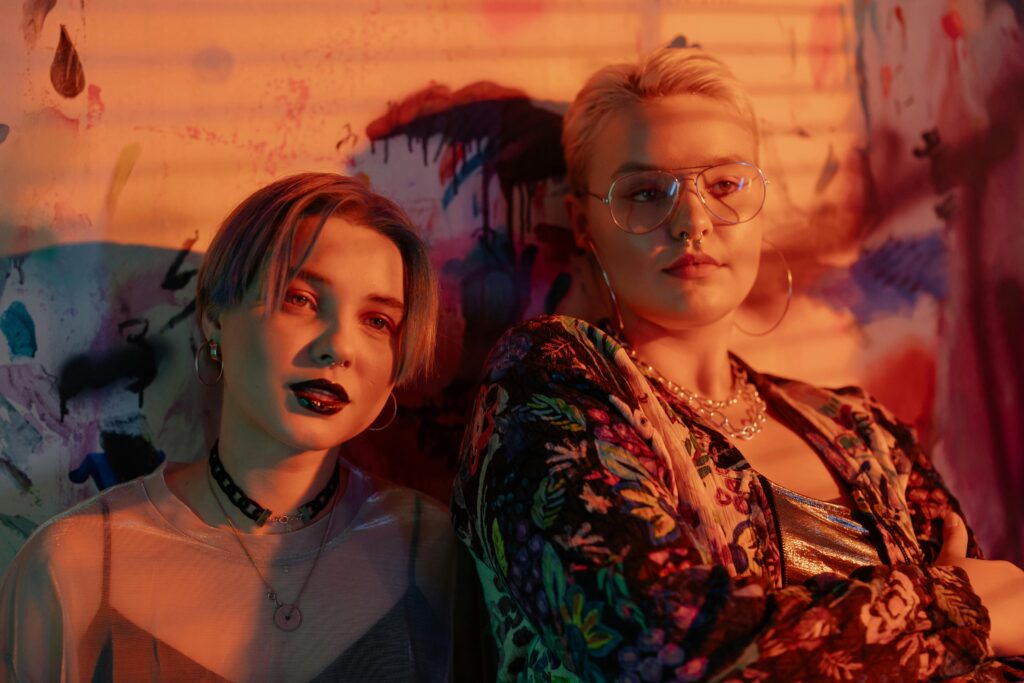
Let’s be real: dating as an AFAB nonbinary person can feel like stepping into spaces that weren’t exactly designed with you in mind.
A lot of mainstream dating advice misses what actually matters. Feeling affirmed in your gender. Staying safe. Connecting with people without having to explain or educate at every turn.
If you’ve ever felt like you had to shrink parts of yourself just to make things easier, you’re not alone. And you don’t have to do that here. This shift in how people approach dating is something more and more people are recognising in modern dating culture.
This guide brings together 10 grounded, real-life tips shaped by AFAB nonbinary experiences. From setting boundaries and protecting your energy to finding spaces and people who actually get you.
Whether you’re looking for sapphic community, romance or something in between, this is about dating in a way that feels authentic, safe and fully yours.
One of the easiest ways to avoid misgendering on dating apps is to be clear about your pronouns and identity from the start.
Being misgendered, meaning someone using the wrong words or pronouns for you, can throw off the vibe pretty quickly. And honestly, it’s not something you should have to deal with. If you’re unsure about some of these terms, HER’s LGBTQ+ glossary can help break them down.
A clear profile helps set expectations early. It shows confidence and makes it easier to connect with people who actually value inclusivity.
In practice, sharing both pronouns and a gender label, like “nonbinary (they/them),” often leads to more meaningful matches. Try something like: “Nonbinary (they/them), into slow coffee dates and genuine queer vibes.”
You’re setting the tone from the first swipe, and making space for the kind of respect you deserve.
Not every app is built for queer safety or belonging. Queer-focused dating apps offer inclusive gender options, customisable pronouns, and moderation tools that actually help keep things respectful.
While larger platforms like Hinge and OkCupid now include nonbinary options, apps created within queer communities, like HER or Feeld, often feel more grounded, affirming and secure. What matters is the overall vibe and how safe you feel showing up as yourself.
Recent rankings of the best dating apps and updated 2026 comparisons show just how important inclusive features have become.
Here’s a quick look at how some popular apps compare:
| App | Nonbinary options | Moderation tools | Community feel |
| HER | Yes | Incognito Mode, reporting, event support | Sapphic-led, community-focused |
| Feeld | Yes | Consent-first chat design | Experimental, open-minded |
| Hinge | Yes | “Hidden Words,” nudges for respect | Broad user base |
Choosing an app that aligns with your values makes a real difference. On HER, built from sapphic reality, you’re not starting from scratch. You’re stepping into a space that already speaks your language.
Online safety starts with knowing who you’re actually talking to.
If verification tools are available, it’s always worth using them. Things like photo or video checks can help confirm someone’s identity before things go further. Catfishing, when someone pretends to be someone else online, still happens, and it’s okay to take steps to avoid it.
Verification badges, detailed bios and linked social accounts can all help you get a clearer sense of who’s real. On HER and similar apps, verification often involves matching photos with real-time selfies. It’s a quick step, but it can make a big difference.
It also signals something important. You care about safety, trust and showing up honestly. And that tends to attract people who value the same things.
Before meeting IRL, a quick video or voice chat can tell you a lot.
It helps confirm your match is real, clears up potential miscommunication and gives you an early sense of chemistry and comfort.
It doesn’t have to feel like a big deal. You can keep it casual with something like, “Want to chat over video before we meet? No pressure.”
A lot of sapphic daters find that this kind of pre-date vibe check helps them feel more relaxed and confident when they meet in person.
If something makes you feel uncomfortable, that’s already enough of a reason to take it seriously.
Harassment can show up in different ways, from unwanted messages to disrespectful or invasive behaviour. If it happens, you don’t have to sit with it. Use in-app tools like blocking, reporting or filtering messages with harmful language.
On HER, features like Incognito Mode let you control who can see your profile, so you can move at your own pace. Using these tools isn’t dramatic. It’s just part of setting clear boundaries and taking care of yourself.
Your safety and your peace come first. Always.
Being clear about what you’re looking for can make dating feel a lot easier from the start.
Whether you’re after a relationship, friendship or something more open, saying it early helps you connect with people who are on the same page.
You can keep it simple. A short line in your bio like “Looking for connection, open to seeing what feels right” or a quick mention in early chats is enough. It shows honesty, confidence and emotional maturity. And it saves you time and energy in the long run.
Real is always better than guarded.
Being clear about your boundaries doesn’t kill the vibe. If anything, it makes things feel safer and more real from the start.
Consent isn’t a one-time thing. It’s ongoing, whether that’s emotional, physical or even digital. It can sound as simple as: “I use they/them pronouns,” “I like to take things slow,” or “Let’s check in before sending selfies.”
These kinds of statements don’t push people away. They show others how to meet you where you are. And when that’s clear, connection tends to feel easier, more respectful and actually genuine.
Starting with free versions of dating apps can help you figure out what actually works for you before committing to anything. Most platforms keep features like seeing who liked you or advanced filters behind a paywall, but you don’t always need them right away.
Trying a couple of queer-focused apps side by side for a few weeks can give you a better sense of where you feel most comfortable.
On HER, free features like events, filters and chat are often more than enough to find meaningful connections or community without spending extra.
You can always upgrade later if it feels worth it.
Early dates should feel easy, not stressful.
Choosing a public or queer-friendly spot can help you stay relaxed while getting to know someone. Think coffee shops, art openings, queer bookshops or even HER-hosted events.
It’s also okay to loop in a trusted friend. Let them know where you’re going, who you’re meeting and when you’ll check in.
Low-pressure plans like a park picnic or a drag brunch give you space to connect without feeling overwhelmed.
You’re not overthinking it. You’re just looking out for yourself.
Dating can be exciting but emotionally draining, especially in spaces where misunderstanding still happens.
Taking care of yourself isn’t optional here, it’s part of the process. That can look like slowing down after a date, journaling, or talking things through with friends who actually get your experience.
Community matters too. Whether it’s events, online spaces or queer-informed therapists, having support around you can make a huge difference when things start to feel heavy.
On HER, identity-affirming spaces and community groups offer a place to find connection, validation and understanding beyond just dating.
You’re allowed to take breaks. You’re allowed to protect your energy. And you’re definitely not alone in this.
Start with spaces that are built with you in mind. Queer-centred apps like HER make it easier to show up as yourself, with inclusive identity options and safety features. Adding your pronouns clearly and using tools like verification or video chats can also help you feel more secure and connect more authentically.
We know that can be really frustrating, and you shouldn’t have to carry that. You can correct them calmly and restate your pronouns, but if it keeps happening, it’s okay to step away. Your comfort matters more than trying to educate someone who isn’t listening.
You don’t have to make it a big moment. Mentioning your pronouns and identity naturally in your bio or early chats is often enough. The right people won’t be scared off, they’ll be aligned with you from the start.
Go with what makes you feel most like yourself. That might be wearing affirming clothes, choosing low-pressure settings or simply naming what helps you feel comfortable. You’re allowed to shape the experience in a way that feels good for you.
Pay attention to how someone talks about your identity. Fetishisation, refusing to use your pronouns or dismissive comments about gender are all signs something isn’t right. If it feels off, you’re allowed to trust that and move on.



Robyn Exton, Mook Phanpinit, Jessica Serviat
Robyn is the CEO & Founder of HER. Find her on Twitter.