Robyn Exton, Mook Phanpinit, Jessica Serviat, Jill O'Sullivan
Robyn is the CEO & Founder of HER. Find her on Twitter.
Select your language


Robyn Exton, Mook Phanpinit, Jessica Serviat, Jill O'Sullivan
Feb 24, 2026
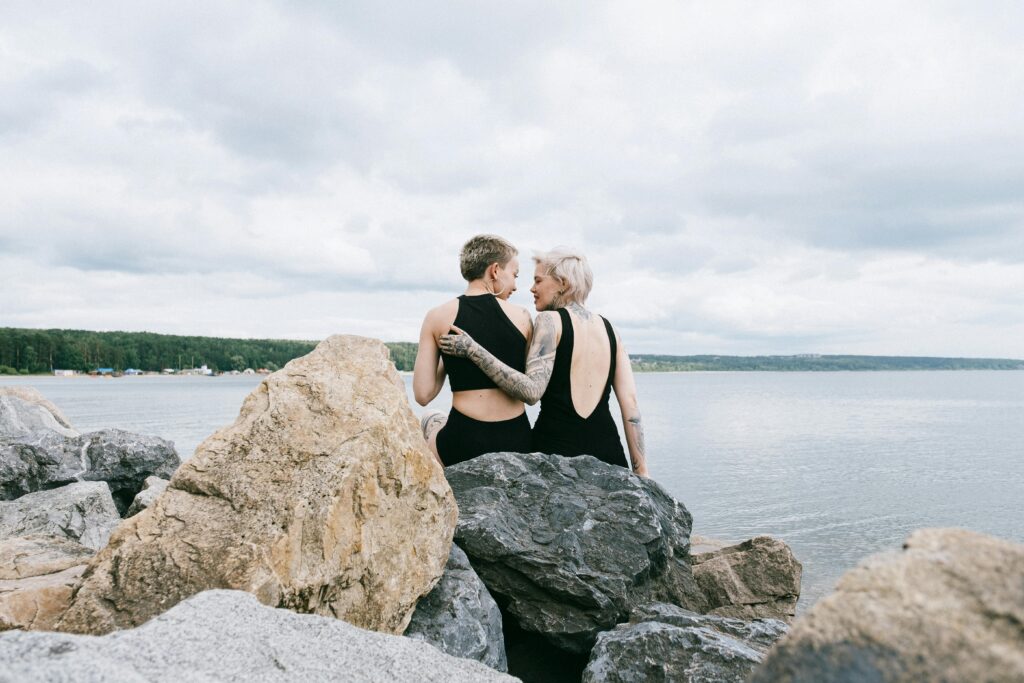
Lesbian dating in your 30s can feel more intentional because you may have a clearer sense of your values, boundaries, lifestyle, and relationship goals. Start by choosing dating spaces that fit what you want, building an authentic profile, vetting matches safely, communicating expectations early, and making room for both apps and queer community spaces.
You may still be figuring things out, and that’s completely fine. Dating in your 30s isn’t about having everything solved. It’s about using what you know about yourself to make choices that fit your life now.
There’s no required timeline for queer dating. Whether you’ve been dating women for years or are newly exploring sapphic relationships, your 30s can be a good time to get more specific about what works for you.
Here are eight practical tips for lesbian dating in your 30s, both online and IRL, without losing yourself in the process.
1. Choose dating platforms that match your goals.
2. Create a specific, authentic dating profile.
3. Vet potential matches early and safely.
4. Communicate boundaries and relationship expectations.
5. Prioritize quality over quantity when dating.
6. Meet queer women through community spaces and events.
7. Use paid dating-app features only when they serve a clear purpose.
8. Practice direct, compassionate communication.
Choose dating platforms based on the kind of connection you actually want. Whether you’re looking for a relationship, casual dating, friendship, or something still evolving, using apps and spaces that match your intentions can make the process feel less random.
A blended approach can give you different ways to meet people. A queer-focused dating app like HER can be a useful starting point if you want a space designed around sapphic connection, while a broader platform may give you additional options in your area.
| App | Best For | Why Consider It |
| HER | Queer-focused dating and community | Built specifically around LGBTQ+ connection |
| Hinge | Profile-led conversations | Prompts can make starting conversations easier |
| OkCupid | Detailed profiles | Offers space to communicate more about identity and preferences |
| Tinder | Larger dating pool | Useful if you want broader reach |
| Zoe | Sapphic-focused dating | More targeted queer dating environment |
Your dating profile should reflect the life you actually have and the kind of connection you want now. Specific details make it easier for compatible people to understand your values, lifestyle, and personality.
Instead of “love to laugh,” try:
Be clear about your dealbreakers. A dealbreaker is a trait, value, behavior, or life goal that would make a relationship incompatible for you. Examples might include whether you want children, relationship structure, smoking, or other lifestyle choices that genuinely affect compatibility.
Say what you’re open to:
Women Wanting Women recommends being specific without creating such a narrow checklist that you filter out potentially compatible matches.
Use recent, varied photos that reflect your real life: solo, candid, doing something you love. Skip heavy filters, AI-generated images, or edits that make you look noticeably different from real life.
You don’t need to impress, you need to gel.
Catfishing is when someone uses a false or misleading identity online to deceive another person.
Before meeting someone new:
– Consider a quick video call if you want extra reassurance.
– Look for basic consistency between what someone tells you and what you can reasonably verify.
– Meet in a public, well-lit place.
– Arrange your own transportation and avoid sharing your home address before you feel comfortable.
– Share your plans with someone you trust and arrange a check-in.
Safety doesn’t kill the romance. It creates a space for it.
The thirties are boundary era, not burnout era. Talk about exclusivity, long-term goals, and kids before you blend pets, Wi-Fi plans, or friend groups. For more guidance, see Luma’s lesbian dating essentials.
The U-Haul stereotype is a playful queer trope about lesbian relationships moving quickly, especially around commitment or living together. You don’t have to follow that pace. Set a relationship speed that works for both of you.
A simple early-boundary flow:
Language that helps: “Here’s what I’m looking for right now, but no rush.”
Swipe fatigue is the mental or emotional exhaustion that can come from repetitive swiping, matching, and messaging on dating apps.
Quick tips:
Dating apps are only one way to meet queer women. Community spaces can help you build connections around shared interests, values, and local queer life.
Try:
Meeting someone IRL gives you another way to notice chemistry, conversation style, and how you feel around each other.
If you’re easing back in:
Queer community spaces can expand both your social circle and your opportunities to meet potential dates.
Spend where it helps you meet people, not where it just extends your scroll.
Most dating apps offer optional paid features, but you don’t need to subscribe automatically. Decide whether a specific paid feature would actually solve a problem you’re having.
| Consider Paying If | Consider Skipping If |
| A specific paid filter would save you time | You’re barely using the app |
| Your local dating pool is small and the feature expands useful options | Free features already meet your needs |
| You have a clear reason for using a visibility feature | The subscription would strain your budget |
Clear communication means saying what you want, listening to what the other person wants, and paying attention to whether words and actions align.
Use “I” statements, share your intentions, and ask what the other person wants too. Then notice whether their words and actions stay consistent over time.
Ways to be direct yet kind:
Walking away when values misalign isn’t harsh; it’s generous to both of you.
The best dating app depends on your location and what kind of connection you want. HER offers a queer-focused option, while broader apps such as Hinge, OkCupid, or Tinder may give you additional ways to meet people in your area.
Make your profile specific to the life you have now. Use recent photos, name a few values or interests, say what kind of connection you want, and replace generic clichés with details someone can actually respond to.
Set a dating rhythm that fits your existing life instead of trying to be constantly available. Keep app time manageable, choose convenient first dates, and be upfront about your availability.
Meet in public, arrange your own transportation, tell someone you trust where you’ll be, and consider a video call before meeting if it helps you feel more comfortable.
Move at a pace that gives you time to learn whether your values, communication styles, and relationship goals actually align. You do not need to follow the U-Haul stereotype or anyone else’s timeline.
Dating in your 30s may come with clearer preferences, established routines, and more specific career, family, or lifestyle considerations. But there is no single lesbian dating timeline, and people enter queer dating with very different levels of experience.
Further reading on lesbian dating in your 30s
Best dating apps for lesbians, according to those who use them
Lesbian Dating Apps: The Complete Guide
The best lesbian dating apps for finding love, connection or community
The 3 Biggest Mistakes Lesbians Make in Online Dating
Lesbian Dating Tips & Essentials




Robyn Exton, Mook Phanpinit, Jessica Serviat, Jill O'Sullivan
Robyn is the CEO & Founder of HER. Find her on Twitter.