Robyn Exton, Jill O'Sullivan, Mook Phanpinit
Robyn is the CEO & Founder of HER. Find her on Twitter.
Select your language


Robyn Exton, Jill O'Sullivan, Mook Phanpinit
Mar 30, 2026
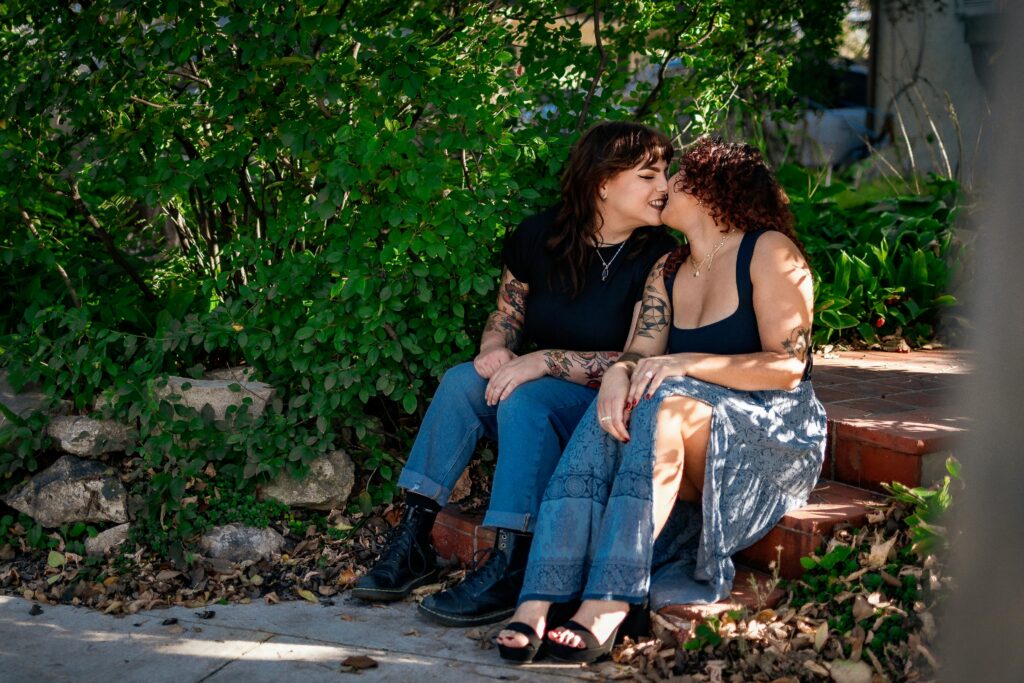
Dating across gender identities can be really beautiful. It can feel affirming, expansive, and full of possibility. And at the same time, it can bring up moments that feel… Well… a bit more complex.
If you’re nonbinary and dating someone who identifies within the binary, you might find yourself navigating extra layers like how you’re referred to, how your identity is understood, or how much you’re expected to explain.
None of that means something is wrong. It just means you deserve clarity, respect, and ease in how you connect.
This guide brings together ten practical, thoughtful tips to help you date with more confidence and less emotional strain, so your energy can go toward connection, not constant explanation.
If you’re dating while nonbinary, the app you use can change everything. HER is the world’s most inclusive sapphic dating and community app, built by and for lesbian, bisexual, queer, non-binary, and trans people. In a dating app, a queer-affirming space means one that centers safety, lets you express your identity freely, and ensures respectful moderation.
HER’s features include custom identity fields, pronoun options, Pride Pins, and community spaces that go beyond matching. They’re offering real connection, friendship, and safety. You can set privacy controls, use strong block/report tools, and even filter by intention. The HER community is vibrant and diverse (most members aged 18–30, but users span 18–65+), showing that inclusive sapphic dating appeals across generations.
Compared with legacy apps, HER’s sapphic-led environment replaces token inclusivity with designs rooted in lived experience. On HER, identity isn’t a tick-box that you just need to fill out to complete your profile. It’s a part of how connection unfolds.
Normalise introducing pronouns from the start. It signals clarity and screens for respect from the jump. A simple approach like “Hey, I’m River (they/them)” sets an affirming tone early on. Pronouns (they/them, she/her, he/him) reflect how we want to be identified and referred to.
Including your pronouns in your dating profile or first messages helps filter out those unwilling to respect your identity. HER’s built-in pronoun fields make this easy, and you can invite others to share theirs naturally. Clear language upfront prevents awkwardness and microaggressions later.
Where you date can shape how you feel.
Queer-affirming spaces, whether apps or in-person, tend to:
Apps like HER are built with this in mind, which can make a real difference in how relaxed and seen you feel while dating.
A visibility script is a short, clear statement that sets boundaries and expectations early, saving energy later.
Example phrases might include:
This kind of script helps filter out people who aren’t ready to meet you with understanding. It’s less about defence and more about creating space for connection instead of explanation.
Boundaries protect your comfort and autonomy. They clarify what’s okay and what isn’t before any issues arise, and can help you feel grounded and in control.
Before a date, it can help to think about:
| Step | Before date | During date |
| Check-in | Share plan + contact with a friend | Send a brief update or location share |
| Venue | Choose an inclusive, public space | Stay near exits, trust instincts |
| Boundaries | Identify triggers or no-gos | Speak up if crossed |
Having a plan doesn’t take away from the moment, it just helps you relax into it.
Even caring partners can get it wrong sometimes. Make check-ins a part of your natural conversation rhythm.
Ask open, easy questions like:
These short chats prevent assumptions and keep intimacy (both emotional or physical) mutual and safe.
Taking your time with intimacy helps build trust.
Talking about preferences, comfort levels, or boundaries before things become physical can make everything feel safer and more connected.
For some nonbinary people, dysphoria may come up in certain situations. Checking in, paying attention, and adjusting as needed keeps intimacy grounded in care.
A simple approach: talk first, then act.
Dating as a nonbinary person doesn’t mean stepping into a teaching role. Emotional labor (aka the work of managing others’ feelings or offering constant education) can quickly drain joy.
You can set limits, like saying, “I don’t have the energy to explain that today, but there are resources that help.” Protecting your peace isn’t distant, it’s honestly respectful. Look for partners who do their own learning.
Not every connection will be the right fit. That’s part of dating, not a reflection of your worth.
If someone doesn’t understand or respect your identity, it’s okay to move on without over-explaining.
Spending time with friends or community after a disappointing experience can help you reset and feel grounded again.
Dating is just one way to connect.
Having a strong sense of community through friends, groups, or shared spaces can make a big difference in how supported you feel overall.
HER’s community features, as well as local or online queer spaces, can help you build those connections in a way that isn’t tied to dating outcomes.
As relationships grow, so do people.
Regular check-ins help you both stay aligned. This could be as simple as:
These conversations don’t need to be formal. They just help keep things open, respectful, and evolving.
Add pronouns to your profile or first chat, ask for theirs, and share more once you feel mutual respect. Apps like HER make this natural and safe.
Choose the energy you want to give; use short scripts or direct partners to resources so you stay centered.
Apps built for queer communities (cough cough, like HER) offer inclusive identity fields and queer-led moderation, creating a safer baseline for connection.
Restate pronouns calmly, name what works or doesn’t, and clarify roles early to keep things balanced.
Meet in public first, share plans with a friend, define physical boundaries, and revisit how you both feel regularly.
Robyn Exton, Jill O'Sullivan, Mook Phanpinit
Robyn is the CEO & Founder of HER. Find her on Twitter.