Robyn Exton, Mook Phanpinit, Jill O'Sullivan
Robyn is the CEO & Founder of HER. Find her on Twitter.
Select your language


Robyn Exton, Mook Phanpinit, Jill O'Sullivan
Feb 24, 2026
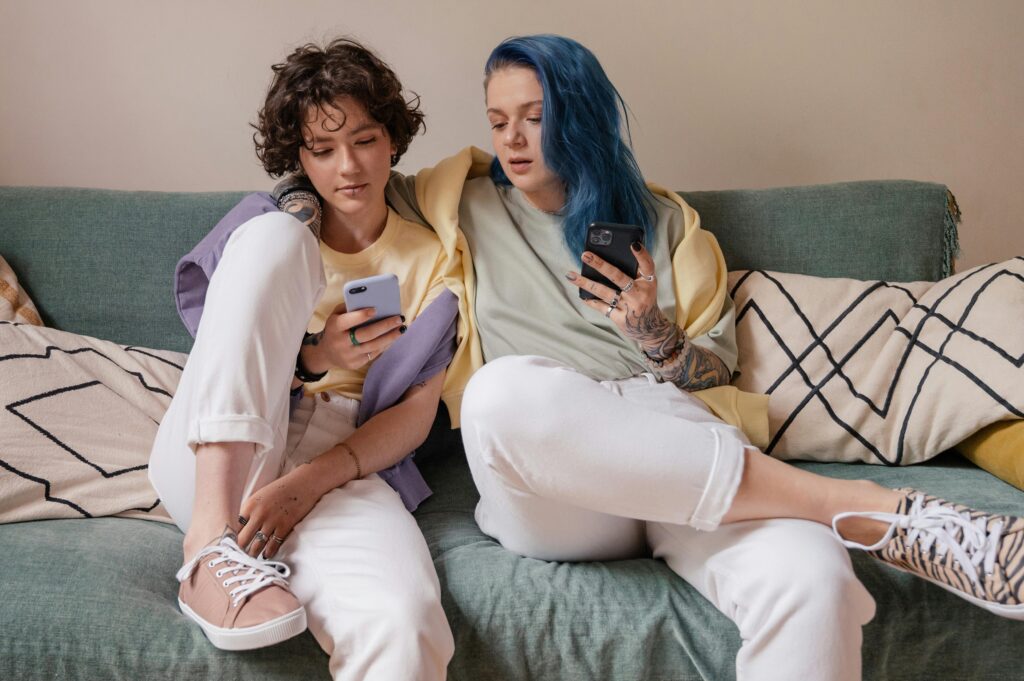
If you’re tired of scrolling straight people’s feeds and want queer-first spaces that actually feel like home, this roundup is for you!
These are the lesbian dating apps worth using in 2026 that we picked for safety, inclusivity, and vibes that go beyond hookups. We break down what each platform does best, where they shine for sapphic folks, and how to choose based on your goals, location, and comfort level. You’ll find community-driven options (hello HER), conversation-forward picks (Hinge, OkCupid), and larger networks (Tinder, Bumble) that can help in low-density areas.
Roundups consistently highlight HER among the best apps for lesbians and queer women because of its community tools and safety focus, alongside a few mainstream heavy-hitters that work well when you need more reach (see Mashable’s expert-blend roundup for context).
HER leads the way because it’s community-first, queer-owned, and actually built for lesbian, bi, queer, non-binary, and trans sapphic daters, not just “women who date women.” HER also has dedicated spaces for specific communities, including mature lesbians, Asian lesbian daters, and Black lesbian daters, so you can find people who share both your identity and your life experience. It’s so much more than just “the lesbian app”. The app pairs familiar swiping and messaging with identity-affirming features like detailed community profiles, Incognito Mode when you want stealth, Pride Pins for self-expression, and a feed that connects you to local and global queer life. You’ll also find community groups and in-person event listings, so dating can organically flow into friendship and chosen family. Free messaging keeps conversations accessible, and extra privacy protections like preventing screenshots in chat help you feel safe sharing more of you.
With over 15 million members worldwide, HER makes it easier to find people near you. Premium is optional and affordable, with a sliding tier: $14.99/month, $10/month for 6 months, or $7.50/month for a year. Reviewers repeatedly call out HER’s welcoming design, robust safety tools, and highly active events scene, while some note occasional ads or minor bugs. If you want an inclusive dating and community ecosystem in one place, start here.
Hinge is built for conversation-led dating, with prompts that spark thoughtful replies and compatibility matching that nudges you toward higher-quality dates. Inclusivity settings and identity prompts help LGBTQ+ women find relevant matches, and its curated, slower pace appeals to many millennials and Gen Z daters who’d rather talk than endlessly swipe (as reflected in queer hookup-app roundups that still nod to Hinge’s intentional vibe and generational pull). The Preferred tier runs $29.99/month or $59.99 for three months, and its app store ratings hover around 4.4, with frequent praise for serious dating potential and safety controls.
If you want intentional dating with strong convo starters, but still want a sapphic-first option in your mix, pair Hinge with a community-driven app like HER for more queer-centered discovery.
Tinder is the world’s largest dating app, which matters if you’re in smaller towns or traveling. The sheer volume can help you find more sapphic matches where niche apps feel thin. Pricing varies by tier: Tinder+ around $13.49/month, Gold about $14.99/month, and Platinum near $26.99/month. Keep it real, though: you may run into cis men/unicorn-seeker profiles, bots, or a generally straight-leaning vibe. Tinder has stepped up with safety features like profile verification and anti-harassment checks, which do help, just expect to filter more.
If you want less noise and more queer-first vibes, use Tinder alongside HER to widen your net without sacrificing community.
Bumble’s “women make the first move” design can feel safer and more intentional, and its growing bucket for queer connections is useful if you’re also exploring friendships through Bumble BFF or local happenings. Pricing lands around $18.99/month for Boost and $29.99/month for Premium. That said, Bumble’s mainstream roots sometimes surface in heteronormative feeds and hit-or-miss gender-affirming experiences, especially outside big cities. We like Bumble for curiosity and friend-finding, but if you want a sapphic-first vibe for romance, HER or Zoe will likely feel more aligned.
If you love going deep on identity, values, and intentions, OkCupid is a win. Its nuanced questionnaires, compatibility scores, queer-friendly questions, and LGBTQ+ filters help surface people who actually fit your life, whether you’re after a long-term partner, casual dating, or friendship. Pricing ranges roughly $19.99–$39.99/month depending on plan, and like all reputable apps here, you can start for free with basic features. OkCupid’s inclusivity settings remain a standout for users who want matching that respects complex identities and preferences.
Zoe is a sapphic dating app tailored for lesbians and queer women, with a familiar swipe model plus safety-forward design. Think photo verification, private photo sharing, and privacy controls that work well for users who aren’t fully out or who just want tighter boundaries. Core features like swiping and messaging are available free; paid upgrades unlock broader search filters and extra visibility. If you’re closeted, safety-conscious, or leaning more serious in a sapphic-only space, Zoe is a strong add alongside HER or OkCupid.
eHarmony is a relationship-focused app built around algorithmic compatibility and long-term dating. Detailed profiles and personality matching can make it easier to find intentional, values-aligned partners, and its model works well for long-distance or more private dating flows. While not sapphic-specific, eHarmony now offers robust LGBTQ+ filters and a more welcoming experience across genders. If you want serious, low-noise matching and you’re patient, this is one to consider.
PinkCupid is a niche dating site for lesbian singles seeking meaningful relationships, with an international community that goes beyond swipe culture. It emphasizes identity-first profiles, safety checks, and strict moderation (including zero tolerance for spam and men infiltrating profiles), which helps keep the space focused. Plans unlock advanced filters, messaging perks, and visibility boosts. If you want a secure, sapphic-centered platform that isn’t built around swiping, PinkCupid is a solid choice, especially for cross-border dating or travel.
Here’s a quick way to map your goals to the right app mix.
Practical takeaway: Start with one community-oriented app (HER or Zoe) for safer, identity-affirming vibes. Add a mainstream option (Hinge, Tinder, Bumble) if you want more matches. Always use verification and quick-report tools to keep your space safe. You’re not alone here: Pew Research has found that about half of LGB adults have tried online dating, so plenty of us are right there with you (see Glamour’s roundup citing that stat).
“Safety features in dating apps include tools to prevent harassment, enable privacy, verify user identity, and give users easy access to reporting/blocking suspicious behavior.” That’s the gist experts use when comparing platforms and advising queer users on what actually keeps you safe online.
Look for:
Worth flagging: HER’s screenshot prevention in chat and event tools adds unique IRL safety layers that reviewers call out among top lesbian apps. Users report mixed experiences everywhere, so choose platforms with visible safety records and fast support responses, and make sure to make good use of those safety toggles from day one.
Community features blend social profiles, groups, feed-style updates, and local event discovery so you can meet people in culture, not just in DMs. This matters for sapphics because it cuts swipe fatigue, increases safety in numbers, and opens up friendships and support networks alongside dating.
Pro tip: Attend at least one local event or join a few identity-interest groups in your first week. The combo of social outings + dating drastically improves both your outcomes and comfort.
All reputable sapphic dating apps offer free versions so you can browse, swipe, and usually message before paying. Premium tiers typically unlock extra filters, “see who liked you,” ad removal, and profile boosts, though review sites warn more features are moving behind paywalls over time, so expect free tiers to feel more limited than they used to. For current, aggregated pricing across major apps, see this community roundup.
Here’s the quick compare (prices vary by region and promos):
Trial tip: Test the free tier for a week, then invest in multi-month plans for better value if you like the vibe.
Yes. Most let you create a profile, browse, and send basic messages for free, with optional upgrades for more filters, boosts, and “see who liked you.”
HER is the top pick for lesbians and queer women who want community and safety features built in, not just swiping. For more reach, pair it with Hinge or OkCupid for conversation-led matching, or Tinder if you’re in a lower-density area. The right app depends on whether you want dating, community, or both – HER is built to support all three.
Strong safety includes identity verification, privacy controls (like incognito or screenshot limits), active moderation, and fast, clear reporting tools.
HER stands out with feeds, groups, and local events; a few others offer friend modes or group chats, but most are match-only.
Pair a community-focused app like HER with a big-network app (e.g., Tinder or Hinge) to widen your reach, then use filters and verification to refine.
Choose apps with in-depth prompts or compatibility quizzes (OkCupid, eHarmony, Hinge) for serious dating; swipe-led apps tend to be better for casual or exploratory connections.


Robyn Exton, Mook Phanpinit, Jill O'Sullivan
Robyn is the CEO & Founder of HER. Find her on Twitter.