Robyn Exton, Mook Phanpinit, Jessica Serviat
Robyn is the CEO & Founder of HER. Find her on Twitter.
Select your language


Robyn Exton, Mook Phanpinit, Jessica Serviat
May 15, 2026
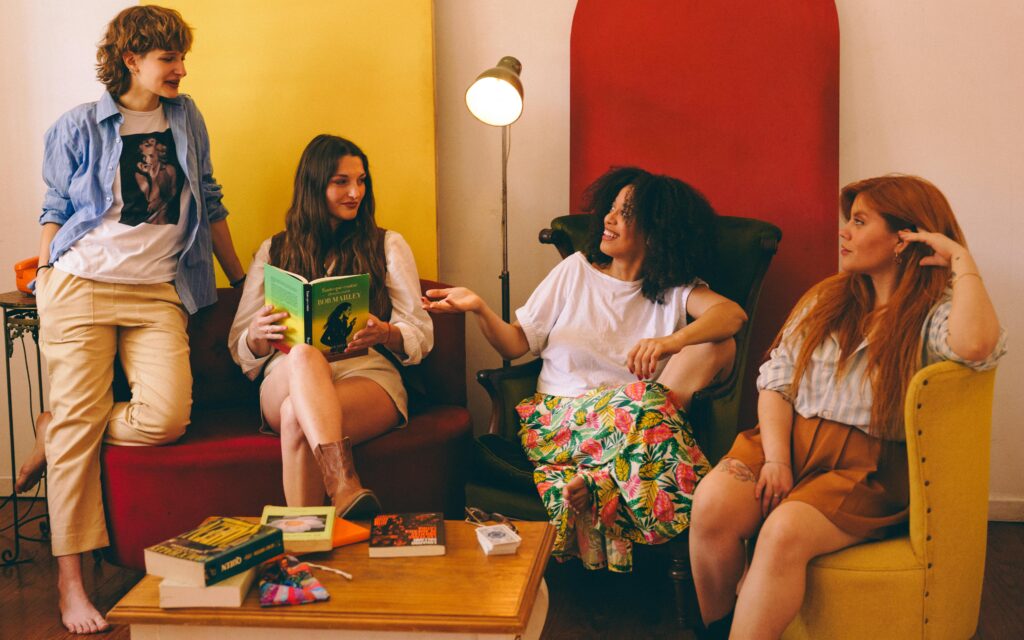
Finding romance as an asexual person shouldn’t mean navigating spaces that ignore your boundaries.
Asexuality, or being “ace”, is a sexual orientation where someone experiences little or no sexual attraction, though they may still crave emotional, romantic, and intimate bonds. Learning more about what it means to be asexual can help people better understand the ace spectrum and relationship dynamics.
Ace visibility and representation continue to grow in 2026, yet safety and comfort remain top priorities when seeking romantic partners. Whether through ace-focused communities, queer-friendly apps, or shared-interest meetups, there are now more inclusive, trusted spaces than ever to explore connection at your own pace.
This guide explores where asexual people can find romantic partners online and offline while staying true to their identities and values.
HER is one of the safest and most inclusive dating apps for ace sapphic users, built around emotional connection and safety rather than pressure.
Originally created for lesbian, bisexual and queer women, HER has expanded its identity options to welcome asexual, demisexual and questioning users.
HER’s boundary templates, Pride Pins and Incognito Mode help users shape how they connect and what they share.
Every match is supported by real human moderation and a zero-tolerance policy on harassment or discrimination.
For ace and sapphic people exploring romance, HER’s events and discussion spaces offer a mix of dating and community support without pressure, just connection on your terms.
Ace-specific platforms create safe, understanding spaces for romantic exploration and help people find ace-friendly connections without pressure to follow traditional dating expectations.
These communities are carefully moderated to prioritize consent, inclusion and emotional clarity, key ingredients for asexual and aromantic users seeking trust-based connection.
| Platform | Member count | Romantic focus | Moderation style |
| AVEN (Asexuality.org) | 235k+ threads globally | Q&A & romantic subforums | Volunteer human moderation |
| Ace Discord servers | 30k+ collective members | Real-time chats & friend-making | Admin-led live moderation |
| Reddit/r/asexuality | 200k+ members | Discussion of dating, love and self-acceptance | Community-sourced moderation |
| Tumblr ace tags | Thousands of users | Storytelling & romantic blogs | Community self-regulated |
What they share is a commitment to supportive, low-pressure connection.
Offline connection still matters, especially for aces who prefer trusted, face-to-face environments.
Queer community centers and university LGBTQ+ offices remain some of the safest and most affirming places to meet potential romantic partners.
Many host Ace Awareness Week events, peer workshops and queer social nights with trained staff present and clear consent codes of conduct.
For students, campus LGBTQ+ centers often include ace-affinity clubs or discussion series, easy entry points for meaningful, pressure-free socializing.
When attending in-person events, prioritize those with explicit safety guidelines, visible staff support and clear community accountability structures.
These safeguards form a foundation for authentic connection without emotional risk.
Many asexual people find romance not in dating-first spaces but through shared interests that invite comfort and gradual bonding.
Book clubs, Dungeons & Dragons campaigns, art collectives, volunteering groups, and even thoughtful asexual date ideas can build connection around shared purpose rather than physical attraction.
In these low-pressure settings, friendship can unfold naturally into romance.
Communication stays central: shared laughter over a game or a creative project often reveals compatibility before any label applies.
Therapist-facilitated or queer peer-led groups offer some of the most structured and emotionally safe ways to meet others.
These sessions, led by licensed professionals or trained facilitators, center consent. Participants openly discuss comfort levels, boundaries and intentions.
Groups designed for ace and aro-ace individuals provide validation and emotional literacy that can nurture deep, trust-based romantic relationships.
Before joining, ask facilitators about privacy policies, experience with LGBTQ+ identities and group codes of conduct to confirm your boundaries will be respected.
Digital dating spaces have evolved.
Many queer-inclusive ace-friendly dating apps now include consent education, human moderation, and ace visibility in their design.
Active support teams, escalation pathways and flexible privacy controls are key for users who value emotional safety.
HER reflects these priorities, combining human-led moderation with ace-specific matching filters to protect comfort and authenticity.
Apps that treat consent as a shared practice, not a checkbox, make space for asexual users to define romance their way.
Values-aligned groups, like queer advocacy teams, mutual aid collectives or environmental projects, build genuine bonds rooted in shared purpose.
Working toward a cause fosters mutual respect, accountability and the ease to express identity without judgment.
Romantic connections in these spaces often emerge from collaboration and consistent interaction rather than formal dating. For ace people, this organic process creates trust before intimacy.
Attend social gatherings tied to your advocacy work; emotional honesty tends to follow shared action.
For many ace individuals, being introduced to potential partners through trusted friends feels safer than randomized apps or large events.
These curated introductions often happen in small gatherings where everyone is pre-vetted, creating accountability and emotional ease.
Before meeting, communicate your comfort level, whether you’re open to romantic interest or just conversation.
Simple check-ins like “I prefer to take things slowly” or “I’d love to connect platonically first” set expectations early and prevent misunderstandings.
Workshops, panels and conferences exist as powerful platforms for building connection while learning about identity and consent.
From Asexuality Visibility Day events to large queer professional summits, these gatherings center boundary respect and self-understanding.
Look for events that publish codes of conduct and include trained facilitators. Attending as a participant or volunteer offers chances to meet others equally committed to awareness and growth, conditions where ace romance naturally flourishes.
Apps with active moderation and ace-specific features, like HER, offer the most reliable safety. They let users define boundaries clearly, protect privacy and flag issues instantly.
Asexual people often build romance through shared interests, emotional exchange and honest talks about comfort rather than sexual activity.
Be clear and kind. Saying “I’m asexual, so I don’t feel sexual attraction, but I enjoy romance and closeness” invites openness and respect.
Yes. Ace-focused meetups, queer center mixers and Asexuality Visibility Day workshops all offer welcoming spaces for in-person connection.
By listening carefully, checking in on consent regularly and honoring each limit as an act of mutual trust.
In 2026, ace visibility keeps growing across digital and real-world spaces. Whether through HER’s consent-based tools, local ace groups, or shared passions offline, asexual people have more ways than ever to find romantic partners safely. Exploring different approaches to asexual dating can also help people build relationships that feel authentic and emotionally safe.
Further reading on asexual dating and ace-inclusive relationships



Robyn Exton, Mook Phanpinit, Jessica Serviat
Robyn is the CEO & Founder of HER. Find her on Twitter.