Robyn Exton, Mook Phanpinit, Jessica Serviat
Robyn is the CEO & Founder of HER. Find her on Twitter.
Select your language


Robyn Exton, Mook Phanpinit, Jessica Serviat
Apr 16, 2026
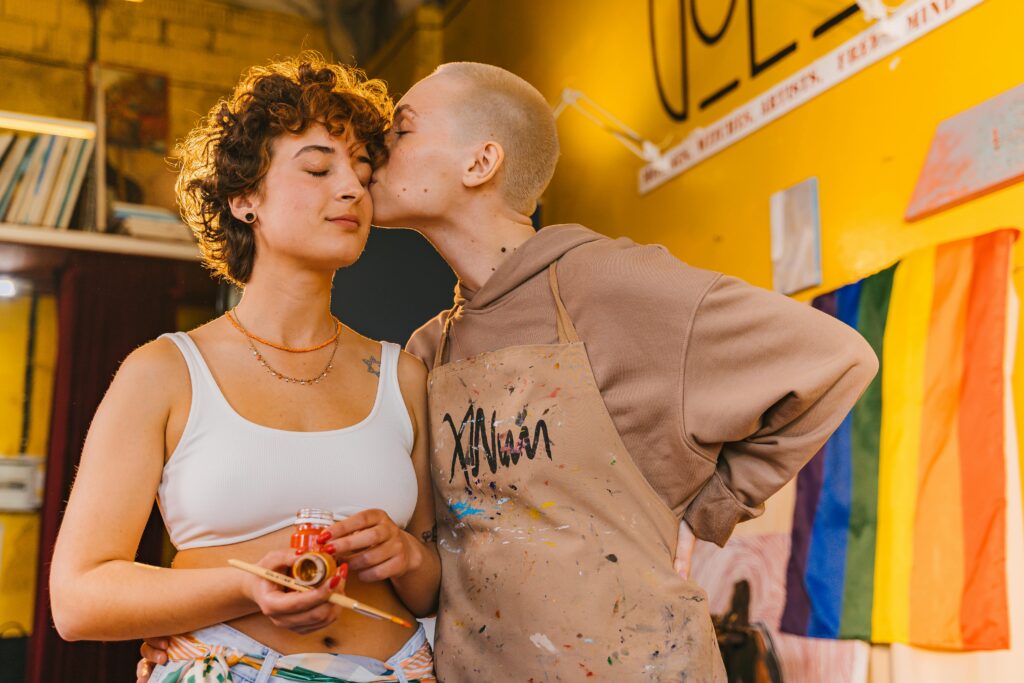
Dating as a trans woman can be exciting, affirming… and sometimes a little vulnerable too.
If you’ve ever found yourself overthinking a text, a look, or a ‘so what are you looking for?’ moment, you’re not alone.
Knowing what green flags to look for can make everything feel a lot clearer, especially when someone’s intentions and actions actually align with your safety and self-respect.
These positive signals, like clear communication, follow-through and genuine allyship, show when a connection is built on mutual care rather than curiosity or novelty. Whether you’re new to dating or rebuilding confidence, you deserve to feel safe, seen and respected while doing it.
If you’re navigating this for the first time, it can help to feel a bit more grounded in what healthy dating actually looks like. Guides like this one on dating as a trans woman can be a great starting point.
And once you have that foundation, spotting green flags becomes a lot easier.
Let’s talk about the ones that actually matter.
Someone who communicates clearly from the start is a big green flag. It shows emotional maturity, but also respect for your time and energy.
Early communication, like stating what each person wants, expects and values, helps avoid misunderstandings and ensures you’re both aligned. Green flags here look like someone who shares their dating intentions upfront or expresses, “I value being direct about what I’m looking for.”
Healthy communication also means naming dealbreakers early, so you’re not left guessing later. These conversations signal that your partner takes emotional safety seriously.
And honestly? It takes a lot of the guesswork out of dating.
It’s also something that comes up again and again in guides to trans dating, where clarity tends to make everything feel safer and more aligned.
| Situation | What they might say | Why it works |
| Discussing intentions | “I’m looking for something long-term, but open to seeing how it flows.” | Builds clarity from the start. |
| Setting boundaries | “Please tell me if anything I say feels off. I want to learn.” | Shows accountability. |
| Talking pronouns | “My pronouns are she/her. What are yours?” | Normalises respect early on. |
Reliability builds trust faster than big gestures ever could. And it might seem basic, but it makes a huge difference.
And in dating? Grounded is underrated.
A partner who follows through on what they say (like texting back consistently, showing up on time and checking in after a date) demonstrates emotional steadiness.
Consistency is especially valuable in trans dating, where safety and reassurance matter deeply. If they follow up after your first meeting with a simple “I had a great time, can’t wait to see you again,” that’s not just polite, it’s grounding.
Reliability indicators:
Respect for your name, pronouns and authentic self isn’t optional. It’s the baseline.
You shouldn’t have to double-check how someone sees you.
That kind of ease shouldn’t be rare.
Green flags include a partner who uses your correct pronouns without hesitation, updates their language when corrected, and doesn’t expect you to educate them about basic identity respect.
If they also correct others or include pronouns in their bios, it’s a sign of internalised respect. Apps like HER make this easier with customisable gender and pronoun fields that allow self-expression and inclusion from the first message.
You can also refine how you present yourself using tips like this trans woman bio checklist.
A genuinely interested partner sees you as a whole person, not a “type” or fantasy.
This is something a lot of trans women still deal with and it can feel exhausting to navigate over time.
Fetishising reduces you to your body or transness, often framed through invasive curiosity. A green flag is someone who doesn’t bring up anatomy, surgeries or transition details unprompted, and instead asks questions that deepen emotional or intellectual connection.
You deserve conversations about who you are, not what you are.
That distinction comes up a lot in conversations around dating trans women, where respect and curiosity are not the same thing.
| Respectful questions | Disrespectful questions |
| “What hobbies make you happy lately?” | “Have you had surgery yet?” |
| “What does a great date look like for you?” | “When did you transition?” |
Someone who’s proud to be with you won’t keep you hidden. And yeah, that matters more than people sometimes admit.
A partner willing to go on public dates, introduce you to friends (when ready), or post a photo together signals emotional readiness and self-confidence.
Going public doesn’t have to mean rushing visibility; healthy pacing is key. But there’s a difference between moving mindfully and being secretive. A green flag is someone who says, “I’d love to take this slow, but I want my friends to meet you when you’re ready,” not someone who hides you for their comfort.
Being hidden never feels good, and it’s not something you should have to accept.
You’re not a “soft launch” relationship.
Safety isn’t negotiable. It’s what care actually looks like.
A partner who prioritises mutual safety pays attention to how and where you meet, respects your privacy around disclosure, and ensures consent before sharing personal information.
Safety-first behaviour also means planning dates that protect your comfort, like meeting in public places or arranging your own transport. HER’s built-in tools, such as Incognito Mode, profile blocking and verified profiles, help you navigate these moments while staying in control.
| Green flag | Red flag |
| Suggests meeting in a public place | Insists on private first dates |
| Checks in that you got home safely | Disappears after the date |
| Respects your privacy around transness | Discloses your identity without consent |
A true ally doesn’t just “accept” you. They actively advocate for you.
Allyship looks like someone who corrects misgendering, challenges transphobic jokes and keeps learning about trans experiences on their own. These actions demonstrate emotional courage and help build a stable, affirming relationship.
And the key thing? They’re doing that work without you having to ask.
No gold stars needed. Just basic respect.
Daily allyship often lives in small gestures: choosing inclusive language, supporting your boundaries and acknowledging the unique pressures you face as a trans woman.
Allyship in action:
Choosing dating spaces that centre trans and queer safety is an act of self-respect.
You shouldn’t have to fight the platform just to feel safe using it.
Dating is already enough work.
Choosing platforms designed with safety in mind, like those in this guide to safe dating apps for trans and nonbinary people, can make a real difference.
Verified, community-moderated apps like HER protect against catfishing, harassment and misgendering through robust verification, active moderation and expansive gender and pronoun fields. HER also hosts IRL events and queer community spaces where connection can unfold safely and naturally.
Before investing emotional energy, check whether the platform truly prioritises moderation, inclusion and belonging.
| Feature | Why it matters | Present on HER |
| Verified profiles | Confirms authenticity and safety | ✅ |
| Granular gender/pronoun fields | Encourages accurate self-expression | ✅ |
| Active moderation | Reduces harassment and hate | ✅ |
| LGBTQ+ events/community spaces | Fosters genuine belonging | ✅ |
If you’re still figuring out what this looks like in real life, here are a few common questions:
Look for partners who remember your name, use inclusive language naturally and share their own pronouns too.
It’s a green flag when their curiosity is about your character and chemistry, not your body or transness.
Essential. Meet in public, share your location with a friend, and use safety tools like HER’s Incognito Mode until trust is clear.
Openness signals comfort and pride; secrecy often signals shame or fear that isn’t yours to carry.
Inclusive platforms like HER reduce harassment and help you find people who understand and celebrate your lived reality.
Dating as a trans woman should feel safe, joyful and reciprocal. When you focus on people who communicate clearly, respect you openly and actually show up, things start to feel a lot lighter.
And that’s often what people mean when they talk about the benefits of trans dating communities that prioritise safety and belonging.
And honestly? That’s the real green flag.



Robyn Exton, Mook Phanpinit, Jessica Serviat
Robyn is the CEO & Founder of HER. Find her on Twitter.